











In the quest for shiny, strong, and manageable hair, hair masks are often touted as the ultimate solution. Shelves are lined with countless commercial products boasting transformative results, while the internet abounds with DIY recipes promising salon-quality effects for pennies. But with so much noise, it’s difficult to discern what truly works. Is a $50 jar of professional mask superior to a homemade avocado blend? The answer lies not in the price tag, but in the science of the ingredients and the precision of their formulation. A truly effective hair mask is not just a deep conditioner; it’s a targeted treatment that addresses specific hair needs by delivering the right molecules to the right place at the right time. This article cuts through the marketing hype to explore the evidence-based ingredients that repair and restore, providing a clear guide to choosing—or creating—a hair mask that will genuinely transform your hair health.
1. The Science of Repair: Moisturizing vs. Strengthening Mask Formulations
Hair damage generally falls into two categories: moisture deficiency and protein loss. An effective mask must target the correct one.
Moisturizing (Hydrating) Masks: For Dry, Brittle, and Frizzy Hair
These masks work by attracting and retaining water within the hair shaft. Their primary goal is to increase hair’s elasticity and flexibility.
- Key Working Ingredients:
- Humectants (e.g., Glycerin, Honey, Aloe Vera): These molecules attract and bind water from the air into the hair shaft. They are excellent for providing immediate hydration but can be counterproductive in very dry climates where they may pull moisture out of the hair.
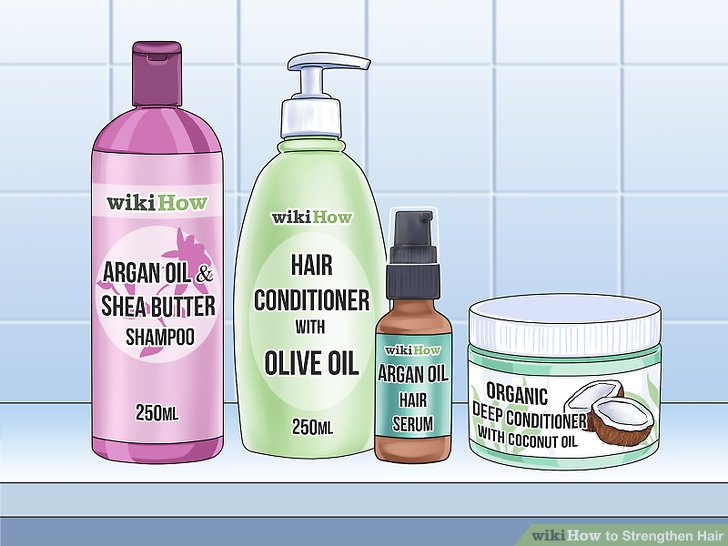
- Emollients (e.g., Natural Oils – Coconut, Argan, Avocado; Shea Butter, Jojoba Oil): These ingredients fill in the gaps between raised cuticle scales, smoothing the hair shaft, sealing in moisture, and providing slip and softness. Coconut oil is a superstar here; its unique molecular structure allows it to penetrate the hair shaft better than most other oils, preventing protein loss during washing.
- Occlusives (e.g., Silicones like Dimethicone, Heavy Butters): These create a protective, water-repellent seal over the hair cuticle, preventing moisture from escaping. While often maligned, silicones are highly effective at providing incredible shine and slip, making hair easy to detangle.
Strengthening (Protein) Masks: For Weak, Stretchy, and Limp Hair
These masks work by temporarily patching holes in the damaged hair cuticle and adding body. They are essential for hair that has been chemically treated, heat-styled, or is simply weak and won’t hold a style.
- Key Working Ingredients:
- Hydrolyzed Proteins (e.g., Hydrolyzed Wheat, Soy, Keratin, Silk): This is the crucial distinction. “Hydrolyzed” means the large protein molecules have been broken down into tiny fragments small enough to penetrate the hair cuticle. Once inside, they bind to damaged areas, temporarily reinforcing the hair’s structure, increasing tensile strength, and reducing breakage.
- Amino Acids: The building blocks of proteins, they can help repair minor damage and improve hair’s texture.
The Moisture-Protein Balance: The goal is a balance. Too much moisture leads to soft, mushy, weak hair. Too much protein leads to hard, brittle, stiff hair that snaps. If your hair feels gummy when wet, it needs protein. If it feels like straw, it needs moisture.
2. Homemade vs. Store-Bought: A Realistic Comparison of Efficacy and Value
The choice between DIY and commercial masks is a trade-off between customization, cost, and scientific precision.
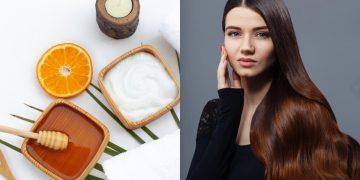
DIY Hair Masks: The Pros and Cons
- Pros:
- Cost-Effective: Made from kitchen staples, they are significantly cheaper per application.
- Transparency: You know every single ingredient that’s going on your hair.
- Customization: You can tailor the recipe to your immediate needs (e.g., more honey for moisture, an egg for protein).
- Cons:
- Inefficient Penetration: The molecules in whole foods (like a mashed avocado or banana) are often too large to effectively penetrate the hair cuticle. They primarily coat the outside, providing a temporary cosmetic effect.
- Unstable Formulations: DIY masks lack preservatives, emulsifiers, and pH balancers. This can lead to bacterial growth and an incorrect pH that may cause the cuticle to roughen up.
- Messy and Inconsistent: Results can vary wildly from batch to batch.
Commercial Hair Masks: The Pros and Cons
- Pros:
- Advanced Technology: Companies use hydrolyzed proteins and scientifically engineered molecules that are proven to penetrate and repair the hair shaft.
- Stable and Safe: They contain preservatives to prevent spoilage and are pH-balanced to ensure the cuticle closes properly for maximum shine and protection.
- Targeted Formulations: You can find masks specifically engineered for fine, color-treated, curly, or chemically processed hair.
- Cons:
- Cost: High-quality masks can be expensive.
- Filler Ingredients: Some products may contain a high amount of water, thickeners, and cheap conditioning agents with a low concentration of the star ingredients.
Verdict: For deep, structural repair, a well-formulated commercial mask is superior. For a quick moisture boost or scalp treatment, a simple DIY recipe can be effective.
3. The Art of Application: Techniques That Maximize Mask Efficacy
How you apply a mask is just as important as what you apply. Proper technique ensures the ingredients can do their job.
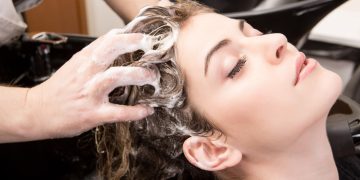
- Start with a Gentle Cleanse: Apply your mask to freshly shampooed, towel-dried hair. The towel-drying should be a gentle blotting with a microfiber towel or t-shirt to remove excess water without roughing up the cuticle. Hair should be damp, not dripping wet, to allow the product to adhere properly.
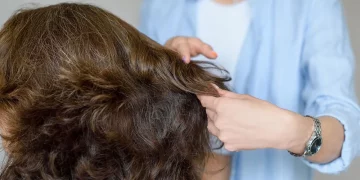
- Section and Saturate: Do not just glop the mask on top of your head. Divide your hair into 4-6 sections. This ensures you can thoroughly and evenly apply the mask from the roots (or mid-lengths, if your scalp is oily) to the very ends, where the hair is oldest and most damaged.
- Focus on the Right Areas:
- For moisturizing masks, concentrate on the mid-lengths and ends.
- For scalp health masks (e.g., with tea tree oil for dandruff), massage gently into the scalp.
- For strengthening/protein masks, damaged areas (like bleached sections) need the most attention.
- The Heat and Time Multiplier:
- Cover with a Cap: After application, cover your hair with a plastic shower cap. This traps body heat, which gently opens the hair cuticle, allowing for deeper penetration of the active ingredients.
- Apply Gentle Heat (Optional but Recommended): For a truly deep treatment, wrap your plastic-capped head in a warm towel or use a hooded dryer on a low heat setting for 10-15 minutes. The heat acts as a catalyst, significantly enhancing the mask’s performance.
- Rinse Thoroughly with Cool Water: Rinse the mask out completely. A final cool water rinse helps to close the hair cuticle, sealing in the benefits and locking in moisture, which results in incredible shine and reduced frizz.
4. Finding the Rhythm: How Often Should You Use a Hair Mask?
More is not always better. Overuse of any treatment can lead to imbalance. Frequency depends entirely on your hair’s condition and the mask’s type.
- For General Maintenance (Healthy Hair): Once a week. This is sufficient to replenish moisture and provide a minor protein boost to prevent future damage.
- For Damaged or Chemically Treated Hair: 2-3 times a week. Hair that is bleached, relaxed, or frequently heat-styled has a more compromised cuticle and loses moisture and protein faster. A regular, intensive regimen is needed to maintain integrity.
- For Fine, Low-Porosity, or Oily Hair: Once every 1-2 weeks. Fine hair can be easily weighed down by heavy masks. Low-porosity hair (which repels moisture) may not need intense weekly hydration. Stick to lighter, protein-balanced formulas to avoid buildup.
- The Protein Warning: Strengthening masks should be used as needed, not on a strict schedule. Pay attention to your hair’s signals. If it feels weak, stretchy, or limp, use a protein mask. Once it feels strong and balanced again (usually after 1-3 uses), switch back to your moisturizing mask. For most people, this means a protein treatment every 4-6 weeks.
A truly effective hair mask is a strategic tool, not a generic luxury. By understanding whether your hair craves moisture or protein, choosing a formulation—DIY or commercial—that delivers the right-sized molecules, applying it with techniques that maximize penetration, and adhering to a frequency that matches your hair’s needs, you can move beyond superficial fixes. This scientific approach allows you to deliver genuine, structural repair where it’s needed most, transforming your hair mask from a hopeful ritual into a guaranteed results-driven treatment.