






















The appearance of a pimple in your 30s, 40s, or beyond can feel like a cruel betrayal. You’ve navigated the tumultuous skin of adolescence, only to be faced with a new, often more stubborn, challenge: adult-onset acne. This isn’t the same as teenage acne, and treating it as such is the first mistake. Harsh, drying products designed for oily adolescent skin will only worsen the problem, leading to a compromised skin barrier, redness, flakiness, and even more breakouts as your skin overproduces oil to compensate. Adult acne requires a sophisticated, nuanced approach that balances effective anti-acne treatments with robust hydration and barrier support. This guide explores the unique triggers of adult breakouts and provides a strategic blueprint for clearing your skin without sacrificing its health and comfort.
1. Beyond Hormones: The Complex Causes of Adult Acne
Understanding why you’re breaking out is the first step to effectively treating it. While hormones play a significant role, they are rarely the sole culprit in adulthood.
Hormonal Fluctuations: This is a primary driver, especially in women. Fluctuations in estrogen and progesterone, along with relative androgen (e.g., testosterone) activity, can trigger breakouts around the chin, jawline, and lower cheeks. This is common in the days leading up to your period, during perimenopause, or with conditions like PCOS (Polycystic Ovary Syndrome).
Stress-Induced Inflammation: When you’re stressed, your body releases cortisol. This stress hormone can increase oil production and also trigger a systemic inflammatory response throughout the body, making existing breakouts redder, more painful, and slower to heal.
Skin Barrier Damage and Impaired Healing: As we age, our skin’s natural healing process slows down. A compromised skin barrier—often from over-washing, using harsh products, or environmental aggressors—cannot protect against bacteria effectively, making it easier for C. acnes bacteria to thrive and for inflammation to take hold.
Product and Diet Triggers: Hair products, heavy moisturizers, and makeup can clog pores (this is called comedogenicity). While the link between diet and acne is highly individual, for some, high-glycemic foods (sugar, white bread) and dairy can spike insulin-like growth factors that stimulate oil production.
2. The Smart Ingredient Arsenal: Targeting Breakouts While Nourishing Skin
The goal is to use powerful actives strategically, not aggressively. The following ingredients are effective at treating acne while being manageable for more mature, often drier, skin.
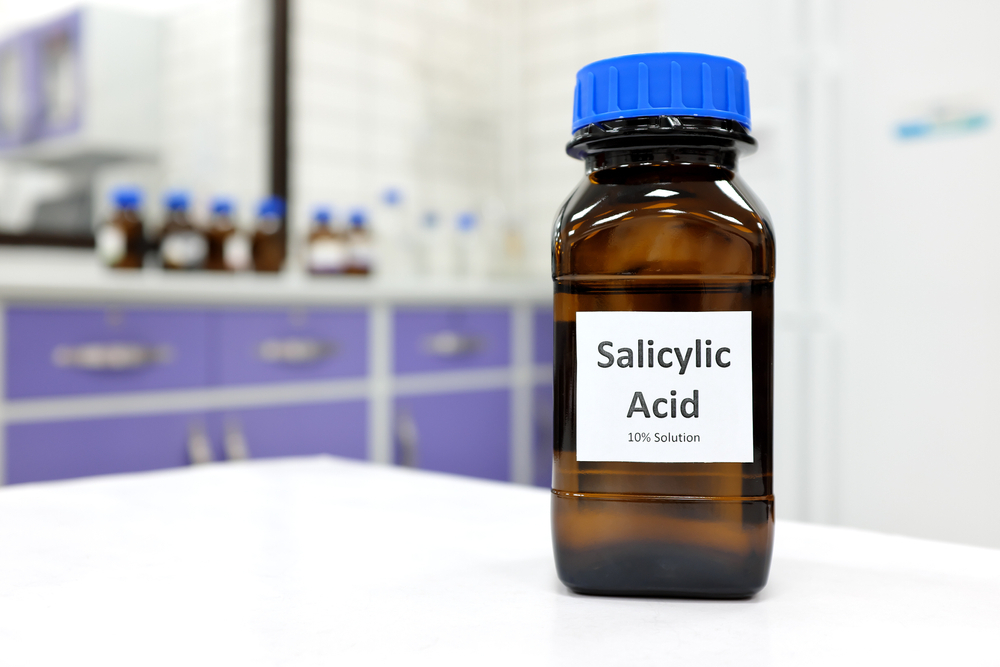
Salicylic Acid (A BHA – Beta Hydroxy Acid):
- How it Works: This oil-soluble acid can penetrate deep into the pore to dissolve the mix of sebum and dead skin cells that cause clogs. It’s anti-inflammatory and acts as a chemical exfoliant.
- How to Use Gently: Instead of a harsh daily cleanser, opt for a 2% salicylic acid toner or serum used 2-3 times per week. This provides the pore-clearing benefits without the stripping effect of a wash-off product.
Niacinamide (Vitamin B3):
- How it Works: This is a powerhouse multi-tasker for adult acne. It helps regulate oil production, reduces inflammation and redness, and, crucially, repairs the skin’s protective barrier.
- How to Use Gently: A serum with 5-10% niacinamide is ideal for daily use, both morning and night. It pairs beautifully with almost any other active ingredient and provides a stabilizing, soothing base for your routine.
Bakuchiol:
- How it Works: A plant-derived alternative to retinol that is far gentler. It encourages skin cell turnover to prevent pores from clogging, is anti-inflammatory, and has antioxidant properties—without the significant dryness and irritation retinol can cause.
- How to Use Gently: An excellent entry-point “retinoid.” Use a bakuchiol serum or cream nightly or every other night.
Azelaic Acid:
- How it Works: Another brilliant multi-tasker. It kills acne-causing bacteria, reduces inflammation (making it great for red, painful bumps), and helps fade the post-acne red and brown marks (post-inflammatory hyperpigmentation) that often linger on adult skin.
- How to Use Gently: A 10-15% azelaic acid serum or cream can be used daily. It is exceptionally well-tolerated and non-drying.
3. The Precision Strike: Effective and Gentle Spot Treatment Strategies
When a breakout emerges, the instinct is to attack it with drying potions. A smarter approach is to calm and resolve it without destroying the surrounding skin.
The Modern Spot Treatment Protocol:
- Ice it First: Wrap an ice cube in a clean paper towel and hold it on the inflamed pimple for 30-60 seconds. This constricts blood vessels, reducing immediate redness, swelling, and pain.
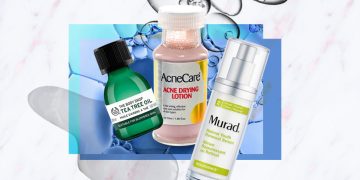
- Apply a Targeted Treatment: Instead of a high-alcohol, high-sulfur paste, use a more sophisticated formula.
- For Inflamed, Red Bumps: A spot treatment containing a combination of Niacinamide and Zinc can calm inflammation and support healing.
- For Clogged Pores: A hydrocolloid pimple patch is a game-changer. These tiny, transparent bandages absorb fluid and pus from a pimple while creating a protected, moist healing environment that dramatically reduces inflammation and prevents picking. They are especially effective on pimples that have come to a head.
- Resist the Urge to Pick: Picking at an adult pimple is catastrophic. It introduces more bacteria, drives inflammation deeper, and significantly increases the risk of scarring and prolonged post-inflammatory marks, which are much harder to treat than the pimple itself.
4. The Holistic Approach: Lifestyle Adjustments for Clearer Skin
Topical products can only do so much. Managing adult acne requires addressing the internal triggers.
Stress Management is Skincare:
Since cortisol is a direct acne trigger, finding ways to manage stress is non-negotiable. Incorporate daily practices like:
- Mindfulness or Meditation: Even 10 minutes a day can lower cortisol levels.
- Adequate Sleep: Aim for 7-9 hours per night. Sleep is when your body, including your skin, repairs itself.
- Regular Exercise: Helps to reduce stress and improve circulation, but be sure to cleanse your face promptly afterward.
Dietary Awareness:
Pay attention to how your skin reacts to your diet. You don’t need to eliminate entire food groups, but consider:
- Reducing High-Glycemic Foods: Swap white bread, pasta, and sugary snacks for whole grains, legumes, and vegetables.
- Experimenting with Dairy: Try eliminating dairy for a few weeks to see if your breakouts improve. For some, the hormones in milk can be a trigger.
Reevaluate Your Hair and Skin Products:
- Hair Products: Conditioners, oils, and styling creams containing heavy silicones or oils can migrate to your skin and clog pores along the hairline and temples. Look for “non-comedogenic” hair products or apply them carefully, avoiding the skin around your face.
- Moisturizer is Your Friend: Do not skip moisturizer, even if you have acne. A dehydrated skin barrier will overproduce oil and become inflamed. Choose a lightweight, oil-free, non-comedogenic gel or lotion moisturizer with ingredients like ceramides and hyaluronic acid to keep your barrier strong and hydrated.
Treating adult acne is a marathon, not a sprint. It requires a shift from a “scorched-earth” policy to a strategic, nurturing campaign. By understanding the complex triggers, selecting gentle yet effective ingredients that respect your skin’s barrier, employing smart spot treatments that heal rather than punish, and making supportive lifestyle adjustments, you can achieve a clear, calm, and healthy complexion. This approach doesn’t just fight pimples; it builds resilient, radiant skin for the long term.