



























A well-defined jawline is a hallmark of youthful, balanced facial aesthetics. Traditionally, achieving a sculpted jaw required surgical intervention—ranging from chin implants to jaw reduction procedures. However, recent advances in cosmetic medicine have made non-surgical jawline contouring an increasingly popular option. These minimally invasive treatments promise enhanced definition, symmetry, and subtle lifting without incisions, anesthesia, or long recovery periods.
In this detailed guide, we explore the different types of non-surgical jawline treatments, identify the ideal candidates, discuss expected shape changes, address safety concerns, and provide insights into maintenance schedules. By understanding what these treatments can—and cannot—achieve, you can make an informed decision about whether non-surgical jawline contouring is right for you.
1. What Are the Main Types of Non-Surgical Jawline Treatments?
Non-surgical jawline contouring relies primarily on injectables, energy-based devices, and thread lifts. Each method targets different tissue layers to improve definition and appearance.
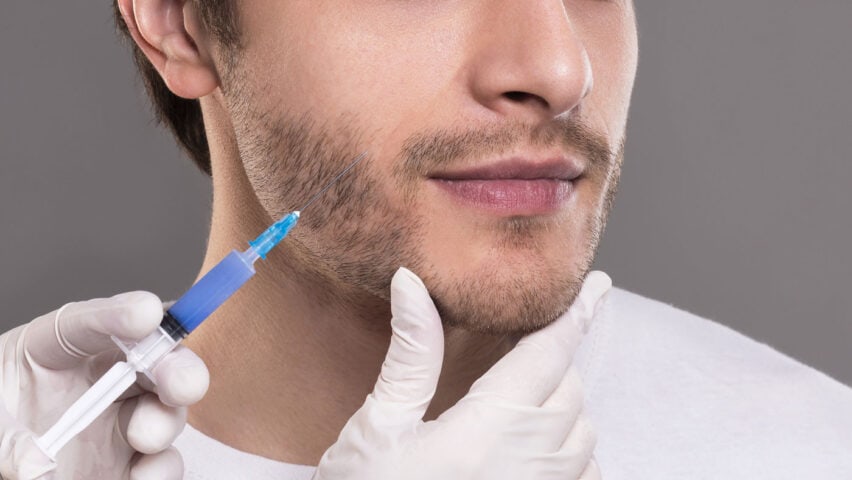
A. Dermal Fillers
- Purpose: Add volume, sculpt, and enhance the jawline or chin
- Common substances: Hyaluronic acid (HA), calcium hydroxyapatite (CaHA)
- How it works: Carefully placed fillers create sharper angles and define the jaw without invasive surgery
- Results: Instant, subtle lifting; improved symmetry
Popular areas for filler injection:
- Mandibular line (jawline)
- Chin projection
- Angle of the mandible
B. Neuromodulators (Botulinum Toxin)
- Purpose: Reduce the size of overactive jaw muscles (masseters) for a slimmer, more V-shaped appearance
- How it works: Botox or similar products relax the masseter muscles, softening square jawlines
- Results: Gradual slimming over 4–6 weeks; can create a softer, more feminine contour
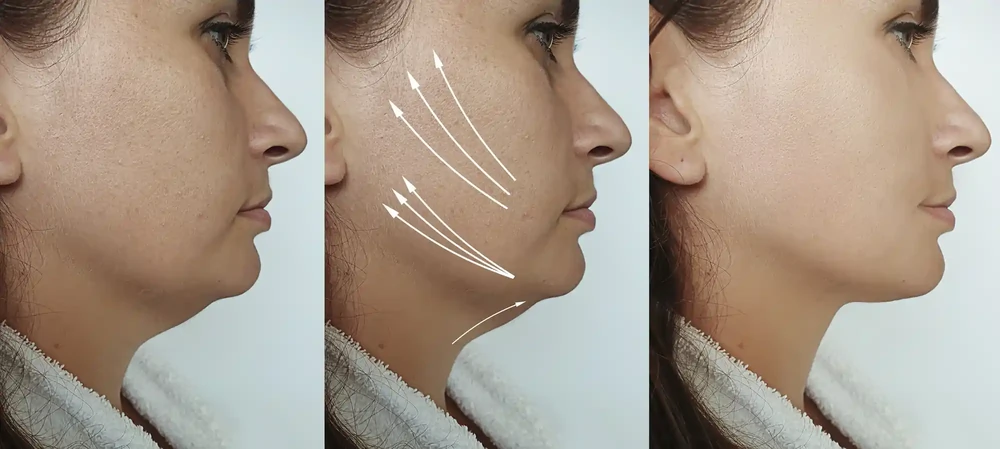
C. Thread Lifts
- Purpose: Lift sagging skin along the jawline and neck
- How it works: PDO or PLLA threads are inserted under the skin, creating an internal scaffold that lifts and stimulates collagen
- Results: Immediate lift, progressive skin tightening over months
D. Energy-Based Devices
- Ultrasound (HIFU), Radiofrequency (RF), and Laser
- Purpose: Tighten skin, stimulate collagen, and contour the jawline
- How it works: Focused energy penetrates deep layers, triggering collagen remodeling and gradual tightening
- Results: Natural, non-invasive lifting; best for mild sagging
2. Who Are the Ideal Candidates for Non-Surgical Jawline Contouring?
Non-surgical options work best for individuals with mild to moderate contour concerns and good skin elasticity. Ideal candidates include:
A. Patients Seeking Subtle Enhancement
- Want sharper angles, more definition, or mild asymmetry correction
- Prefer temporary results and minimal downtime
B. People with Mild Skin Laxity
- Thread lifts or energy-based treatments are effective if sagging is not severe
C. Individuals Looking for Non-Invasive Alternatives
- Fear of surgery, scarring, or anesthesia
- Limited recovery time
D. Not Ideal For
- Severe sagging, significant excess fat, or skeletal asymmetry
- Those seeking permanent, dramatic changes (surgical options may be necessary)
3. What Kind of Shape Changes Can You Expect?
The expected results depend on the treatment type and the patient’s anatomy.
A. Dermal Fillers
- Sharper jaw angles and chin definition
- Balanced facial proportions
- Smoother transitions between chin, jawline, and neck
B. Neuromodulators
- Reduced masseter bulk for a slimmer, more oval or V-shaped face
- Less tension-related jaw clenching
C. Thread Lifts
- Lifted and tightened skin along the jawline
- Slight improvement in lower-face sagging
- Gradual improvement over several months as collagen builds
D. Energy-Based Devices
- Firmer skin
- Gradual jawline contour improvement
- Best for patients with mild skin laxity rather than volume loss
Note: Non-surgical contouring enhances soft tissue and skin, rather than altering bone structure. Results are noticeable but subtle compared to surgical methods.
4. What Are the Safety Concerns of Non-Surgical Jawline Contouring?
While minimally invasive, non-surgical treatments carry risks that clients should understand.
A. Common Side Effects
- Redness, swelling, or bruising at injection sites
- Mild tenderness along treated areas
- Temporary asymmetry if placement isn’t precise
B. Rare Complications
- Infection (rare with sterile technique)
- Nerve injury (very rare; proper injector training reduces risk)
- Vascular occlusion (especially with fillers if injected into blood vessels)
C. Thread Lift Concerns
- Temporary dimpling
- Thread migration or breakage (rare)
- Mild discomfort during insertion
D. Energy Device Concerns
- Mild redness or tingling
- Temporary swelling or tenderness
- Rare burns if device settings are incorrect
E. How to Minimize Risk
- Choose a qualified, experienced injector or practitioner
- Discuss goals, anatomy, and medical history
- Follow all pre- and post-treatment guidelines
5. How Often Will Maintenance Be Needed?
Non-surgical jawline contouring is not permanent. Maintenance frequency varies depending on the treatment type and individual metabolism.
A. Dermal Fillers
- Typically last 12–18 months
- Gradual fading occurs naturally
- Touch-ups recommended to maintain definition
B. Neuromodulators
- Results last 3–6 months
- Repeat treatments necessary for sustained muscle slimming
C. Thread Lifts
- Effects last 12–18 months
- Collagen stimulation prolongs results, but gradual skin sagging continues naturally
D. Energy-Based Devices
- Results develop over 2–6 months
- Annual sessions help maintain tightening
Key Point: Non-surgical treatments allow for flexibility. Clients can adjust intensity, frequency, and combination treatments over time for optimal, natural-looking outcomes.
6. Combining Non-Surgical Techniques for Optimal Results
Many practitioners use a multi-modal approach to maximize contouring without surgery:
- Fillers + Botox: Shape and slim simultaneously
- Thread lift + RF/Ultrasound: Lift and tighten
- Fillers + Threads + Energy Device: Comprehensive approach for mild sagging and volume adjustments
Combination therapy allows patients to target skin, muscle, and soft tissue simultaneously, achieving more harmonious and lasting jawline enhancement.
7. Final Thoughts: Is Non-Surgical Jawline Contouring Right for You?
Non-surgical jawline contouring is a versatile, low-risk option for those seeking subtle enhancement, natural results, and minimal downtime. While it cannot replace surgery for major skeletal or soft tissue corrections, it offers an appealing alternative for:
- Younger patients seeking preventative contouring
- Individuals wanting expressivity and subtle refinement
- Patients hesitant to undergo surgery
By understanding the range of treatments, their risks, expected outcomes, and maintenance schedules, you can make informed decisions and work with your practitioner to achieve a jawline that complements your natural beauty.