






Hormones play a pivotal role in regulating not just internal health but also the appearance and condition of skin and hair. For individuals with menstrual cycles, fluctuations in estrogen, progesterone, and androgens across the month can lead to noticeable changes in oil production, hydration, inflammation, and hair growth. Understanding how these cycles affect skin and hair, and implementing phase-specific nutrition and lifestyle strategies, allows for proactive management of hormonal impacts, reducing breakouts, dryness, and hair shedding while promoting overall radiance.
This article explores the science behind hormonal cycles, explains the phenomenon of hormonal acne, provides nutrition tips tailored to each phase, and outlines lifestyle adjustments for healthier skin and hair.
1. What Are the Phases of the Hormonal Cycle and How Do They Affect Skin and Hair?
The menstrual cycle is typically divided into four phases, each characterized by distinct hormonal fluctuations that influence sebum production, skin hydration, and hair strength.
A. Menstrual Phase (Days 1–5)
- Hormonal Profile: Low estrogen and progesterone
- Skin Impact:
- Skin may appear dull and dehydrated due to reduced estrogen
- Hair may feel dry or brittle
- Common Complaints: Sensitivity, redness, or mild breakouts
B. Follicular Phase (Days 6–14)
- Hormonal Profile: Rising estrogen, low progesterone
- Skin Impact:
- Increased hydration, plumpness, and radiance
- Reduced oiliness, more resilient skin
- Hair Impact: Hair strength improves; follicles benefit from increased circulation
- Visual Effect: Often the “glow” phase—ideal for proactive skincare treatments
C. Ovulatory Phase (Days 15–17)
- Hormonal Profile: Peak estrogen and luteinizing hormone (LH)
- Skin Impact:
- Increased collagen production and skin firmness
- Pores may appear smaller, overall texture smoother
- Hair Impact: Hair growth can feel fuller and more manageable
- Note: This is the optimal phase for aesthetic procedures like laser treatments or chemical peels due to higher collagen and elasticity
D. Luteal Phase (Days 18–28)
- Hormonal Profile: Rising progesterone, slight increase in androgens
- Skin Impact:
- Sebum production may increase, triggering hormonal acne
- Skin may feel oilier, sensitive, or prone to inflammation
- Hair Impact: Slight shedding or increased scalp oiliness is possible
- Challenge: Skin may be more reactive; hydration and calming routines are essential
2. What Is Hormonal Acne and Why Does It Occur?
Hormonal acne is a direct result of androgen fluctuations, often seen in the luteal phase of the menstrual cycle.
A. Mechanism
- Androgens stimulate sebaceous glands to produce more sebum
- Excess oil clogs pores, leading to inflammatory acne
- Decreased estrogen in the luteal phase reduces skin’s natural resilience and hydration
B. Common Characteristics
- Breakouts often appear along the jawline, chin, and lower cheeks
- Can be cystic or deep-rooted rather than superficial
- Often preceded by premenstrual water retention or puffiness
C. Management Strategies
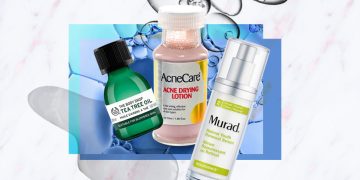
- Topical treatments: Retinoids or benzoyl peroxide during luteal phase
- Dietary adjustments: Reduce sugar, refined carbs, and dairy, which may exacerbate inflammation
- Lifestyle: Stress management, sufficient sleep, and gentle exfoliation
Key Insight: Understanding when hormonal acne is likely to occur allows targeted treatment, preventing overuse of harsh products that can worsen irritation.
3. Which Nutrition Strategies Support Skin and Hair Through Each Cycle Phase?
Nutrition can help balance hormone-related changes, improve skin resilience, and strengthen hair.
A. Menstrual Phase
- Focus on iron-rich foods to replenish losses from menstruation (spinach, lentils, red meat)
- Hydration to combat dryness
- Omega-3 fatty acids (salmon, chia seeds) reduce inflammation
B. Follicular Phase
- Support estrogen production with phytoestrogen-rich foods (soy, flaxseeds)
- High-antioxidant fruits and vegetables to promote collagen synthesis
- Adequate protein for hair and skin repair
C. Ovulatory Phase
- Nutrients that support collagen and elasticity, such as vitamin C (citrus, berries)
- Zinc-rich foods (pumpkin seeds, shellfish) for oil balance and wound healing
- Hydration with water and herbal teas to maintain skin plumpness
D. Luteal Phase
- Anti-inflammatory foods (leafy greens, turmeric, fatty fish) to counter acne flare-ups
- Complex carbohydrates to stabilize blood sugar, reducing hormonal spikes
- Magnesium-rich foods (nuts, seeds) to support relaxation and reduce stress-related breakouts
Tip: Meal timing and hydration can also influence skin and hair condition, making it important to adopt a consistent dietary rhythm aligned with cycle phases.
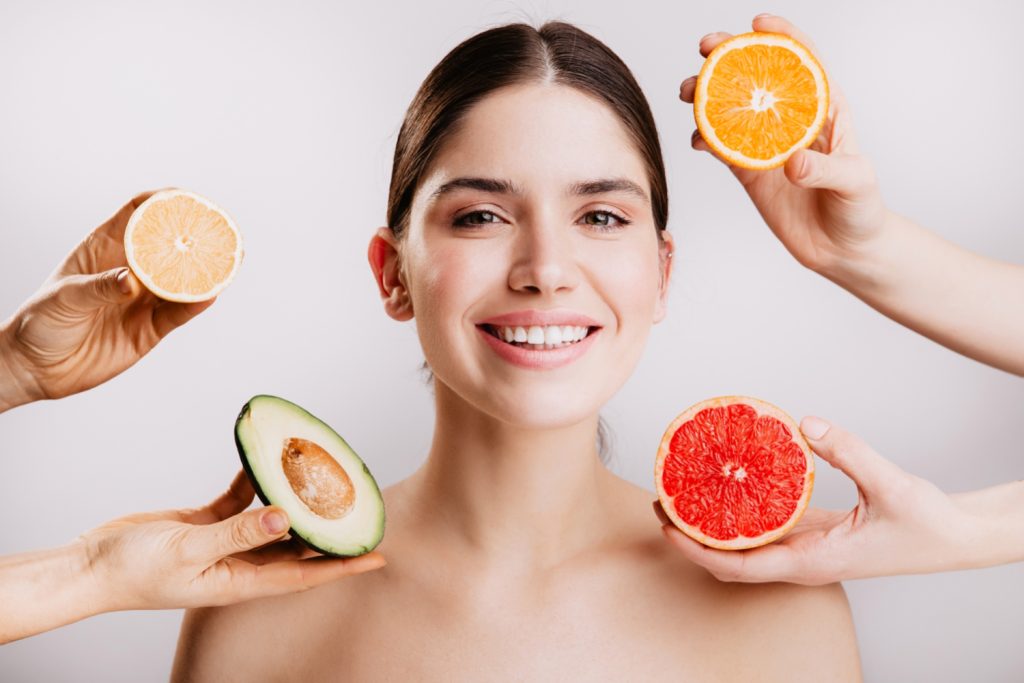
4. How Can Lifestyle Adjustments Support Skin and Hair Health?
Beyond diet, lifestyle habits play a crucial role in mitigating the effects of hormonal fluctuations.
A. Stress Management
- Chronic stress elevates cortisol, worsening oil production and inflammation
- Meditation, yoga, and deep breathing exercises help regulate hormones
B. Sleep Hygiene
- Adequate sleep supports estrogen and progesterone balance
- Nighttime repair is essential for collagen synthesis and hair follicle health
C. Exercise
- Moderate cardio improves circulation and oxygen delivery to the skin
- Strength training supports metabolic balance, benefiting hair growth cycles
D. Skincare Adjustments by Phase
- Follicular & Ovulatory: Hydrating and antioxidant-rich products; optional treatments for glow
- Luteal & Menstrual: Calming, non-comedogenic products; gentle exfoliation; focus on barrier repair
E. Hair Care
- Minimize chemical treatments or heat styling during luteal phase when hair may be more prone to shedding
- Incorporate nourishing masks and oils in follicular and ovulatory phases for stronger, shinier hair
5. Can Tracking Your Cycle Improve Skin and Hair Outcomes?
Cycle tracking empowers you to anticipate phase-specific changes:
- Use apps or journals to note breakouts, dryness, or hair shedding
- Adjust skincare, diet, and treatments based on predicted hormonal fluctuations
- Proactive adjustments prevent reactive measures and reduce inflammation
Example: Scheduling deep-cleansing facials or hair treatments during follicular or ovulatory phases maximizes collagen and elasticity benefits, while calming routines in the luteal phase prevent acne flare-ups.
6. Final Thoughts: How Can Understanding Your Hormonal Cycle Transform Skin and Hair Health?
Hormonal cycles are powerful drivers of skin texture, hydration, oil balance, and hair growth. By understanding each phase:
- Menstrual: Restore hydration and manage sensitivity
- Follicular: Support collagen and hair strength
- Ovulatory: Maximize radiance and elasticity
- Luteal: Prevent hormonal acne and calm inflammation
Coupled with targeted nutrition, lifestyle adjustments, and phase-specific skincare, this knowledge allows for anticipatory care rather than reactive treatment, reducing breakouts, dryness, and hair shedding while enhancing glow and resilience.
Empowering yourself with cycle-aware habits ensures your skin and hair thrive throughout the month, reflecting not just beauty but also wellness and hormonal balance.