
























For decades, the quest for a more balanced, refined nose meant one thing: rhinoplasty. This surgical procedure, while effective, comes with significant cost, a lengthy and often painful recovery, permanent scarring, and irreversible results. The very finality of surgery deters many who dream of a subtle change but fear the risks and commitment. Enter the era of the “liquid rhinoplasty” or non-surgical nose job—a revolutionary approach that uses injectable fillers to reshape and contour the nose without a single scalpel. This procedure has exploded in popularity, promising immediate results with minimal downtime. But is it too good to be true? Can injectables truly rival the transformative power of surgery? This comprehensive guide will demystify non-invasive nose reshaping, detailing the injectable options, walking you through the procedure, outlining realistic expectations, and, most importantly, clarifying the critical risks and limitations that every potential patient must understand.
The Art of the Liquid Reshape: Understanding Injectable Options
The non-surgical nose job relies exclusively on dermal fillers. These are gel-like substances, typically composed of Hyaluronic Acid (HA), that are injected beneath the skin to add volume, smooth contours, and create shape.
Why Hyaluronic Acid Fillers are the Gold Standard:
- Reversibility: This is the single most important safety feature. If a result is unsatisfactory or a complication arises (like a vascular occlusion), the filler can be dissolved almost immediately with an enzyme called hyaluronidase. This makes HA fillers the only truly safe option for this high-risk area.
- Precision: HA fillers have a predictable consistency, allowing a skilled injector to place product with extreme accuracy to build structure and smooth bumps.
Commonly used HA fillers include Juvederm Voluma, Restylane Lyft, and Teosyal RHA 4, which are chosen for their structural integrity and ability to hold shape. Notably, Radiesse (a calcium hydroxylapatite filler) and Sculptra (a collagen stimulator) are generally avoided in the nose due to their irreversibility and different behavior, which can increase risk.
The Sculptor’s Process: A Step-by-Step Procedure Overview
A non-surgical rhinoplasty is a quick but technically demanding procedure that should only be performed by a highly experienced, medically trained professional (Board-Certified Dermatologist or Plastic Surgeon).
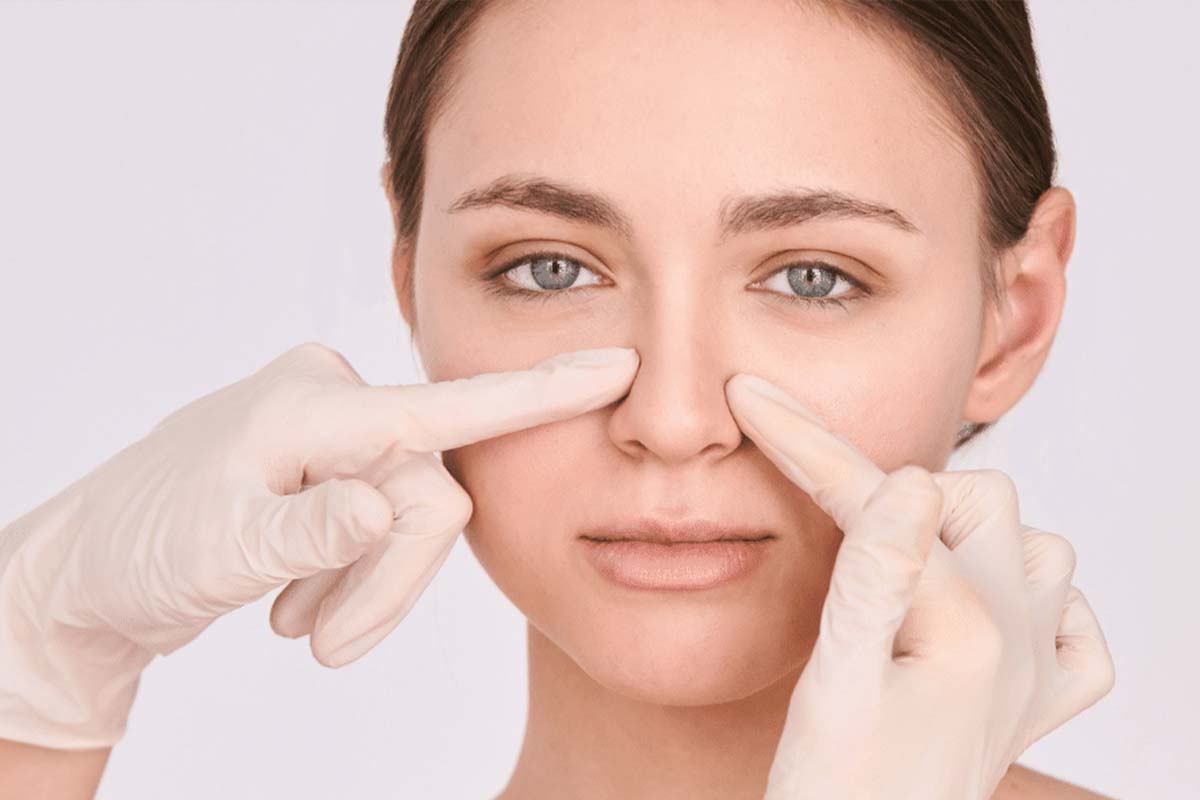
- The Consultation: This is the most critical step. The injector will assess your nasal anatomy, skin thickness, and underlying bone and cartilage structure. They will discuss your goals, take photographs, and, crucially, determine if you are a good candidate. They will also explain what cannot be achieved with fillers.
- Topical Anesthesia: A numbing cream is applied to the nose to maximize comfort during the procedure.
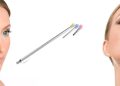
- The Injection Process: Using a very fine needle or cannula (a blunt-tipped tube), the injector strategically places tiny amounts of filler into predetermined points on the nose. This is not about filling the entire nose, but about creating strategic highlights and shadows.
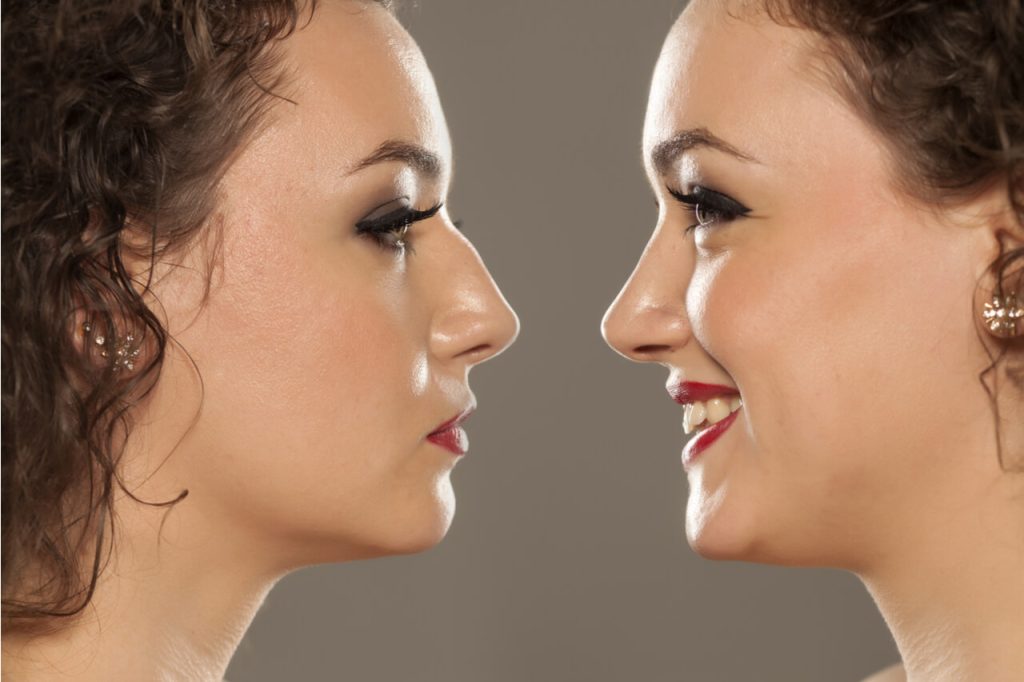
- To Camouflage a Bump: Filler is injected above and below the dorsal hump to create a straight line from the bridge to the tip.
- To Lift a Droopy Tip: A small amount of filler placed in the columella (the tissue between the nostrils) can provide support, rotating the tip slightly upward.
- To Add Symmetry: Filler can be used to build up a flat or asymmetrical bridge.
- Molding and Assessment: The injector will gently massage the area to ensure smoothness and assess the symmetry and shape. The entire process typically takes 15-30 minutes.
Expected Results: The Art of Illusion, Not Transformation
Managing expectations is paramount. A non-surgical nose job is about refinement, not reconstruction.
- What It CAN Do:
- Camouflage a small to moderate dorsal hump.
- Lift a slightly droopy nasal tip.
- Straighten a nose with a minor deviation.
- Add symmetry and balance to the bridge.
- Smooth out small indentations or irregularities.
- What It CANNOT Do:
- Make a large nose smaller. Fillers add volume; they do not remove it.
- Narrow a wide nose. The underlying bone structure remains unchanged.
- Refine a very wide or bulbous tip significantly. The effect on the tip is subtle.
- Improve breathing or correct functional issues.
You will see the results immediately, though there may be initial minor swelling that subsides within a week. The change is often described as more natural and less “done” than a surgical rhinoplasty, as it works with your existing anatomy.
The Critical Caveats: Understanding Risks and Limitations
This is not a risk-free procedure. The nose is one of the most dangerous areas to inject due to its complex vascular anatomy.
- Vascular Compromise (The Greatest Risk): If filler is accidentally injected into an artery, it can block blood flow. This is a medical emergency that can lead to skin necrosis (tissue death), resulting in scarring, or, in extremely rare cases, blindness if the occlusion travels to the retinal artery. This risk is mitigated by using an experienced injector who has a deep knowledge of anatomy and prefers using a blunt-tipped cannula, which is safer than a sharp needle.
- Other Common Risks: Swelling, bruising, redness, and tenderness at the injection sites are common and typically resolve within a few days to a week.
- The “Over-Filled” Look: An unskilled injector can make the nose look wider, heavier, or unnaturally straight—the “Pinocchio” effect. This underscores the need for an artist who understands facial aesthetics.
Duration: The Temporary Nature of the Procedure
Unlike surgery, the results of a non-surgical nose job are not permanent. Hyaluronic Acid fillers are naturally metabolized by the body over time.
- How Long It Lasts: Results typically last between 12 to 18 months, though this can vary based on the product used, the individual’s metabolism, and the amount of filler injected.
- Maintenance: To maintain the result, you will need follow-up treatments. This can be seen as a pro (the ability to adjust the shape over time) or a con (ongoing cost and repeated procedure risk).
Conclusion: A Powerful Tool for the Right Candidate
The non-surgical nose job is a groundbreaking advancement in aesthetic medicine, offering a viable, low-downtime alternative for individuals seeking specific, subtle refinements. It is the ideal solution for someone with a dorsal hump they wish to disguise, a droopy tip they want lifted, or minor asymmetry they’d like corrected, all without the ordeal of surgery.
However, it is not a substitute for a surgical rhinoplasty. It is a procedure of addition, not subtraction. Its success and safety hinge almost entirely on two factors: being a suitable candidate and choosing an exceptionally qualified and experienced injector. For the right person, with the right expectations, and in the right hands, it can be a profoundly confidence-boosting treatment that artfully enhances facial harmony without a single incision.