











Platelet-rich plasma (PRP) therapy has evolved from a medical healing tool into one of today’s most sought-after aesthetic treatments. Praised for its ability to stimulate natural regeneration without synthetic fillers or chemicals, PRP offers a biologically driven approach to rejuvenation. But what exactly makes PRP so effective for both hair and skin? How does it work, who benefits most, and what should you expect from treatment?
This in-depth guide explores everything you need to know.
What Is Platelet-Rich Plasma and Why Does It Matter?
Platelet-rich plasma is a concentrated form of your own blood, enriched with a high number of platelets—tiny cell fragments responsible for healing and tissue repair.
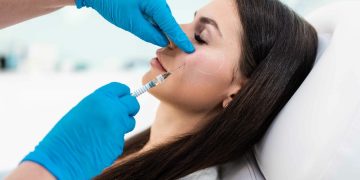
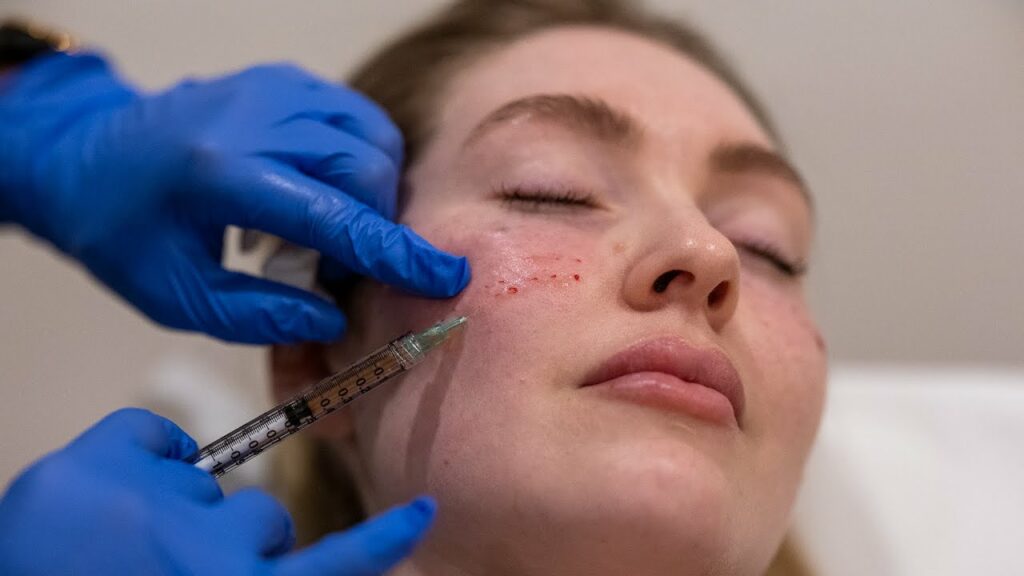
To create PRP, a small amount of blood is drawn and spun in a centrifuge to separate its layers. The platelet-rich portion is then collected and injected or micro-needled into targeted areas.
Why Platelets Are Important
Platelets contain growth factors and cytokines that stimulate:
- Cell turnover
- Collagen and elastin production
- Wound healing and tissue regeneration
- Improved blood flow
When injected back into the skin or scalp, these biological messengers initiate a controlled regenerative response, enhancing texture, tone, elasticity, or hair growth.
How Does PRP Improve Skin Quality?
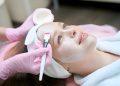
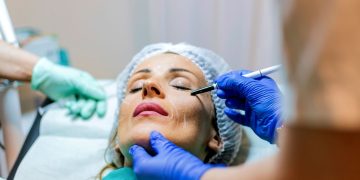
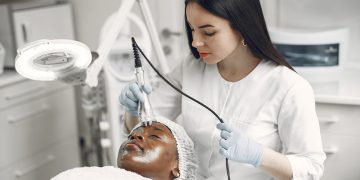
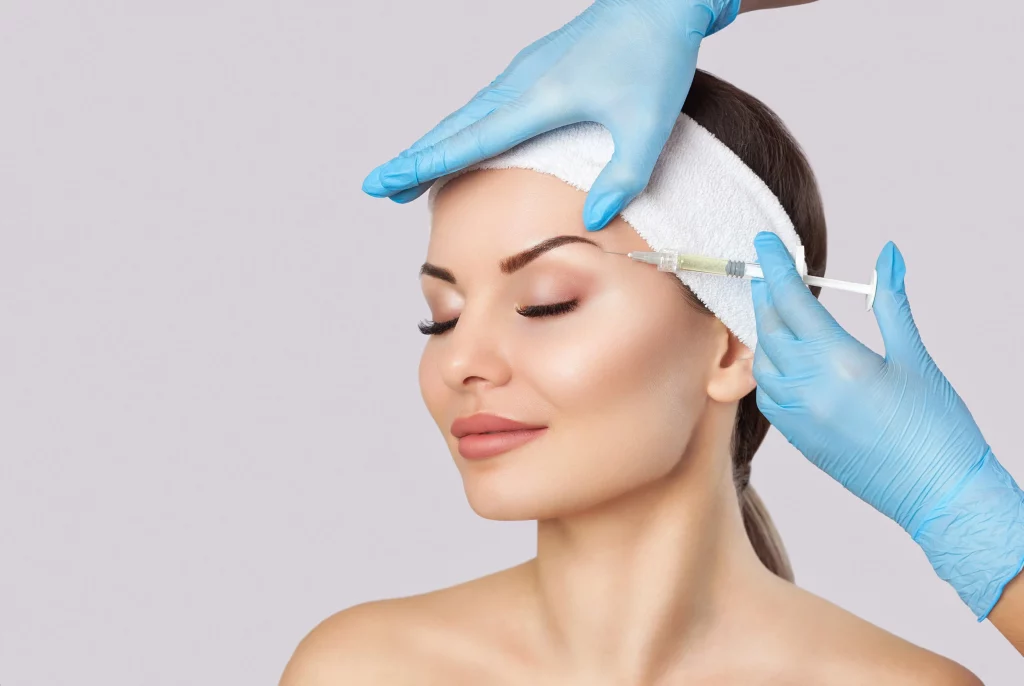
PRP for skin—often called a “vampire facial” when combined with microneedling—has become a staple in non-surgical rejuvenation.
1. Stimulates Collagen Production
Collagen loss occurs naturally with age, leading to fine lines and sagging.
PRP boosts fibroblast activity, helping the skin rebuild structural proteins and restore firmness.
2. Improves Skin Texture and Tone
PRP helps reduce:
- Fine lines
- Mild wrinkles
- Enlarged pores
- Uneven skin tone
- Rough texture
Skin appears smoother, brighter, and more refined over time.
3. Enhances Healing After Procedures
PRP accelerates tissue repair, making it a popular add-on to:
- Laser resurfacing
- Chemical peels
- Microneedling
- RF treatments
It reduces downtime and improves final results.
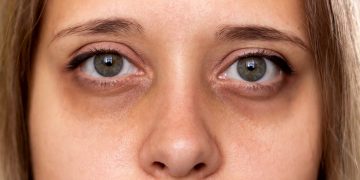
4. Minimizes Dark Circles
Injecting PRP under the eyes can thicken thin skin and improve microcirculation, reducing hollowing and pigmentation.
5. Reduces Acne Scars
Growth factors support new collagen formation, softening indented scars and improving texture.
How Does PRP Support Hair Growth?
Hair loss—especially genetic thinning—can be slowed or reversed using PRP therapy.
1. Extends the Growth Phase (Anagen)
PRP stimulates dormant follicles to re-enter the active growth stage, creating thicker and denser hair.
2. Strengthens Hair Roots
Growth factors improve follicle health, reducing breakage and shedding.
3. Increases Blood Supply to the Scalp
Improved microvascular circulation nourishes follicles and supports long-term hair vitality.
4. Enhances Results of Hair Transplantation
Surgeons often use PRP to:
- Strengthen graft survival
- Accelerate healing
- Improve overall density
Who Benefits Most?
- Early-stage androgenic alopecia
- Postpartum hair thinning
- Stress-related shedding
- Individuals looking to delay genetic hair loss progression
PRP is less effective in areas where follicles are completely inactive or scarred.
What Are the Risks of PRP?
Since PRP is derived from your own blood, allergic reactions are extremely rare. However, no procedure is completely risk-free.
Common Mild Side Effects
- Redness
- Swelling
- Mild bruising
- Tenderness at injection site
These usually resolve within 24–72 hours.
Rare Complications
- Infection
- Temporary worsening of inflammation
- Headache after scalp injections
Choosing a licensed and experienced provider significantly reduces these risks.
Who Should Avoid PRP?
PRP may not be suitable for individuals with:
- Blood clotting disorders
- Platelet dysfunction
- Active infections
- Autoimmune conditions affecting platelet function
- Severe anemia
A thorough medical consultation is essential.
How Often Should PRP Treatments Be Performed?
For Skin Rejuvenation
A typical schedule includes:
- 3 sessions spaced 4–6 weeks apart
- Maintenance every 6–12 months
Improvements continue gradually as collagen rebuilds.
For Hair Restoration
A standard protocol includes:
- 3–6 sessions spaced 4–6 weeks apart
- Maintenance every 4–6 months
Results depend on consistency—long-term commitment produces the best outcome.
When Will You See Results?
- Skin: noticeable changes at 4–8 weeks, with continued improvement over 6 months
- Hair: visible growth at 3–4 months, fuller improvement around 6–12 months
PRP is natural and slow-building but offers long-lasting, biologically driven enhancements.
Expected Results: What Is Realistic?
For Skin
Expect:
- Fresher, brighter complexion
- More even tone
- Visible softening of lines
- Improved elasticity
- Smoother texture
PRP provides natural rejuvenation rather than dramatic surgical change.
For Hair
Expect:
- Reduced shedding
- Improved thickness and density
- Revitalized hairline
- Slower progression of genetic hair loss
PRP works best when paired with lifestyle changes or medical therapies like minoxidil or finasteride (as recommended by a professional).
Final Thoughts: Is PRP Right for You?
PRP is an excellent choice if you want:
- Natural rejuvenation
- No synthetic fillers
- Minimal downtime
- Long-term regenerative effects
While not a quick fix, PRP is powerful when used consistently and performed by qualified professionals. It enhances both hair and skin by leveraging your body’s own healing ability—making it one of the most biologically aligned treatments in modern aesthetics.