












For years, CoolSculpting has been one of the most sought-after non-invasive fat-reduction procedures in the aesthetic industry. Marketed as a no-downtime, no-surgery alternative to liposuction, this fat-freezing technology promises to reshape stubborn areas of the body without needles, anesthesia, or incisions. But how does it truly work? Who makes an ideal candidate? What risks should you be aware of? And can it really replace diet and exercise?
This in-depth guide explores everything you need to know before considering CoolSculpting—from the science behind it to realistic expectations and how to make your results last.
How Does Fat-Freezing Actually Work in CoolSculpting?
CoolSculpting is built on a scientific principle called cryolipolysis, a process that uses precisely controlled cooling to freeze and destroy fat cells without harming surrounding tissue like skin, nerves, or muscle.
The Science Behind Cryolipolysis
- Fat cells are more sensitive to cold temperatures than other types of cells.
- When exposed to cooling between −11°C to +5°C, fat cells crystallize and begin to die in a process called apoptosis.
- Over the next several weeks, the body naturally eliminates these dead fat cells through the lymphatic system.
What Happens During the Procedure
- The provider marks the treatment area.
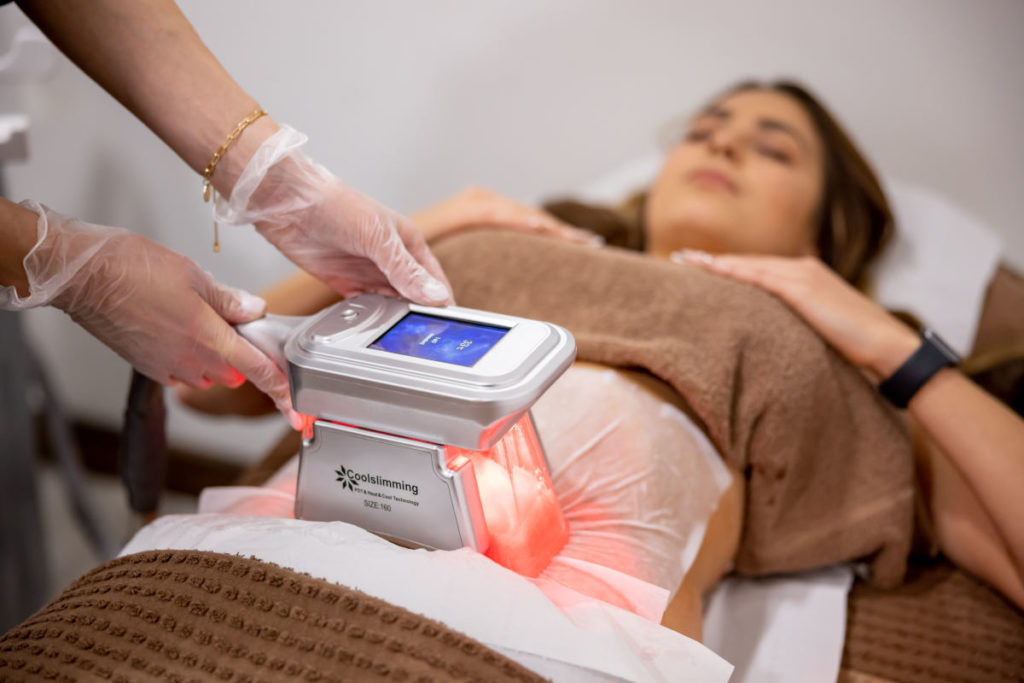
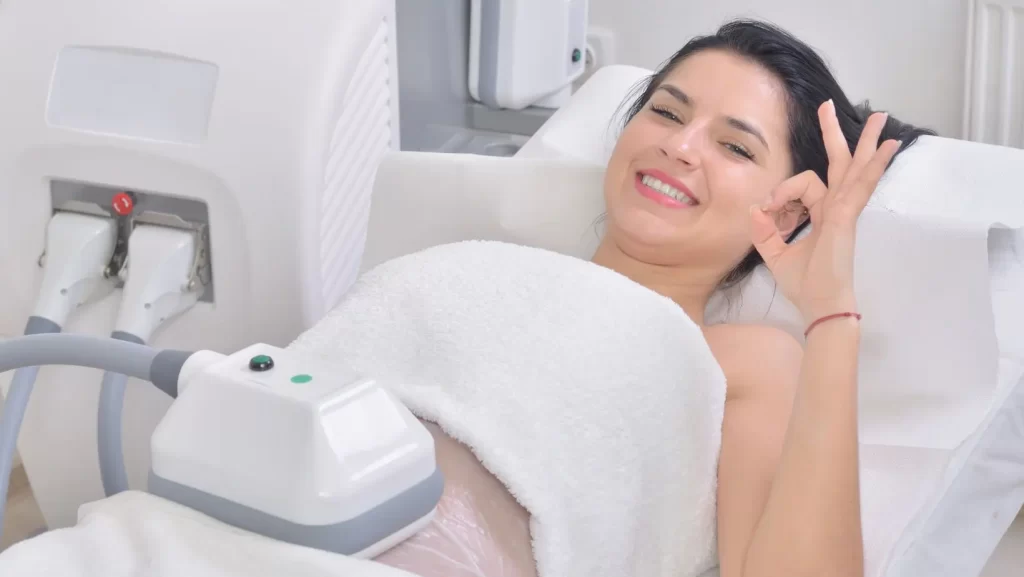
- A CoolSculpting applicator is placed on the skin with suction or a flat panel.
- The targeted area is cooled for 35–60 minutes, depending on the applicator.
- After the session, the provider massages the area to break up fat cells—this enhances results.
Expected Results
- A single session reduces fat in the treated area by 20–25%.
- Results begin to appear after 4–6 weeks.
- Full results take 8–12 weeks as the body eliminates fat.
CoolSculpting doesn’t shrink fat cells temporarily—it removes them permanently. However, remaining fat cells can still enlarge with weight gain, which means lifestyle matters.
Which Areas of the Body Can CoolSculpting Target?
CoolSculpting’s wide range of applicators allows it to contour many areas where stubborn fat tends to accumulate. These zones often resist diet and exercise, making cryolipolysis a powerful solution.
Most Common Treatment Areas
- Abdomen – ideal for lower belly pooch or post-pregnancy fat
- Flanks (Love Handles) – effective for tightening waistline
- Thighs – both inner and outer thighs respond well
- Chin and Jawline – reduces double chin and enhances contour
- Back Fat – smooths bra bulges
- Upper Arms – helps reduce excess fat under the arms
- Banana Roll – fat under the buttocks
- Chest (in men) – for pseudogynecomastia
How to Know If Your Area is Treatable
CoolSculpting works best for pinchable fat—soft, subcutaneous fat that you can grasp with your fingers. It is not effective on visceral fat (fat around organs), which requires overall weight loss.
Who Makes the Best Candidate for CoolSculpting?
While CoolSculpting is popular, it is not the ideal solution for everyone. Understanding candidacy factors helps prevent disappointment and ensures safe, predictable outcomes.
Ideal Candidates:
- Have stubborn fat pockets that resist diet and exercise
- Are near their goal weight, usually within 10–15 kg
- Have good skin elasticity
- Prefer a non-surgical, no-downtime option
- Want gradual, discreet results
Not Ideal Candidates If You:
- Have loose or sagging skin—CoolSculpting removes fat but does not tighten skin
- Are significantly overweight or obese
- Want immediate or dramatic fat removal like liposuction provides
- Have certain medical conditions
Medical Contraindications:
CoolSculpting is unsafe for individuals with:
- Cryoglobulinemia
- Cold agglutinin disease
- Paroxysmal cold hemoglobinuria
- Raynaud’s disease (in some cases)
- Severe varicose veins in the target area
- Open wounds, dermatitis, or skin infections
Providers assess your health and fat distribution before approving treatment.
What Are the Possible Risks and Side Effects of CoolSculpting?
Although CoolSculpting is non-invasive, it does come with potential risks. Being aware of these helps you make a more informed decision.
Common Side Effects (Temporary):
- Numbness (can last weeks)
- Redness
- Swelling
- Bruising
- Tingling or stinging
- Firmness in the treatment area
These are usually mild and resolve gradually.
Less Common But Notable Side Effects:
- Paradoxical Adipose Hyperplasia (PAH)
- A rare reaction where fat cells grow rather than shrink
- Affects <1% of patients
- More common in men
- Usually requires liposuction or another treatment to fix
- Contour irregularities if fat is not evenly reduced
- Prolonged numbness lasting several weeks
Serious Side Effects (Very Rare):
- Hyperpigmentation
- Frostbite (from improper application—extremely uncommon)
Choosing a trained, certified provider dramatically reduces risks.
Does CoolSculpting Work Better When Combined With Diet and Exercise?
Absolutely. CoolSculpting is most effective when complemented by a healthy lifestyle.
Why Diet and Exercise Matter
- CoolSculpting removes fat cells, but remaining cells can still enlarge.
- Weight gain can mask or reverse the results.
- Maintaining a stable weight ensures the treated area stays sculpted.
Best Practices to Enhance Results
- Hydrate well before and after treatment.
- Follow a balanced diet rich in proteins, whole grains, healthy fats, and vegetables.
- Incorporate strength training to boost metabolism.
- Keep body fat stable for long-lasting definition.
- Use the treatment as a contouring method, not weight loss.
Combination Approaches
Some clients pair CoolSculpting with other modalities:
- Radiofrequency skin tightening → improves firmness
- EMSculpt → builds muscle tone at the same time
- Lymphatic massages → accelerate swelling reduction
- Nutrition planning → supports weight balance
Together, these enhance contour lines and help maintain long-term results.
Final Thoughts: Is CoolSculpting Worth It?
CoolSculpting is a powerful option for those who want to eliminate stubborn fat without surgery, downtime, or needles. It offers gradual, natural-looking results with a strong safety profile when performed by trained professionals.
However, it works best when:
- You have pinchable fat
- You are close to your goal weight
- Your expectations are realistic
- You commit to healthy lifestyle habits
CoolSculpting isn’t a replacement for weight loss—but for body contouring and shaping, it can be exceptionally effective.