
















The battle with acne can be long and arduous, but for many, the aftermath—the scars and dark spots left behind—can feel like a permanent reminder of the struggle. These textural and pigmentary changes, known as post-inflammatory hyperpigmentation (PIH) and atrophic scarring, can be incredibly difficult to treat with topical products alone. While creams and serums can work on the surface, they often fail to reach the deeper structural damage. This is where laser resurfacing emerges as a powerful, scientifically-backed solution. By harnessing concentrated light energy, lasers can fundamentally remodel the skin from within, offering hope where other treatments fall short. But with a myriad of laser types and promises of transformative results, it’s crucial to understand the science, the process, and the commitment involved. This guide will demystify how lasers work to heal damaged skin, break down the different types of lasers for specific concerns, walk you through the procedure and recovery, and outline the critical aftercare required to achieve the clear, smooth complexion you desire.
The Science of Renewal: How Laser Energy Remodels Skin
The core principle behind all laser resurfacing is controlled injury. Lasers deliver precise wavelengths of light that are absorbed by specific targets in the skin, called chromophores. For acne scars and hyperpigmentation, the primary targets are water (in skin cells) and melanin (in pigmented spots).
The mechanism, known as fractional photothermolysis, is key to modern laser technology. Instead of treating the entire surface, the laser creates thousands of microscopic treatment zones (MTZs)—tiny columns of injury that penetrate deep into the dermis. The surrounding skin remains untouched, which dramatically speeds up the healing process. This controlled damage triggers the body’s innate wound-healing response:
- Collagen Remodeling: The heat from the laser stimulates fibroblasts in the skin to produce massive amounts of new collagen and elastin. This new, organized collagen network fills in atrophic (depressed) scars from the bottom up, smoothing out the skin’s texture.
- Pigment Dispersion: The energy from the laser shatters the clusters of melanin in hyperpigmented spots. These tiny pigment particles are then naturally shed or carried away by the body’s immune system over the following weeks.
- Surface Exfoliation: In ablative lasers, the top layer of damaged, pigmented skin is literally vaporized, revealing the fresh, unblemished skin underneath.
Choosing the Right Tool: A Guide to Laser Types
Not all lasers are created equal. The choice of laser depends on the severity of your scarring, the type of hyperpigmentation, your skin tone, and your tolerance for downtime.
1. Ablative Lasers (More Aggressive, Significant Downtime)
These lasers remove the entire outer layer of skin (epidermis) and heat the underlying dermis. They are the most powerful option for significant textural improvement.
- CO2 Laser: The gold standard for deep wrinkles and severe, pitted acne scars. It provides dramatic results but requires 1-2 weeks of intense downtime and carries a higher risk of side effects, including prolonged redness and potential for hypopigmentation, especially in darker skin tones.
- Erbium:YAG Laser: Also ablative, but less aggressive than CO2. It is excellent for treating surface-level scars and hyperpigmentation with slightly less thermal damage and a faster recovery (7-10 days). It is a better option for patients with darker skin tones than CO2.
2. Non-Ablative Fractional Lasers (Less Aggressive, Minimal Downtime)
These lasers bypass the epidermis, delivering heat only to the deeper dermal layers to stimulate collagen without destroying the surface. This makes recovery much faster.
- Fractional Erbium Glass (e.g., Fraxel Dual): A workhorse for treating both texture and pigment. The 1550nm wavelength targets water to remodel scars, while the 1927nm wavelength is superb for treating superficial hyperpigmentation and sun damage. Downtime is typically 3-5 days of redness and swelling.
- Thulium Fiber Laser (e.g., Clear + Brilliant): A gentler, “lunchtime” fractional laser. It creates more superficial MTZs, making it ideal for mild textural issues, fine lines, and pigmentary concerns, with only 12-24 hours of social downtime.
3. Pigment-Specific Lasers (For Stubborn Hyperpigmentation)
These are often used in conjunction with fractional lasers to target particularly stubborn dark spots.
- Q-Switched Nd:YAG Laser (e.g., Spectra): This laser uses extremely short, high-energy pulses to shatter melanin particles with precision. It is highly effective for treating discrete spots of PIH without damaging the surrounding skin. There is virtually no downtime.
The Journey to Clearer Skin: Procedure Steps from Start to Finish
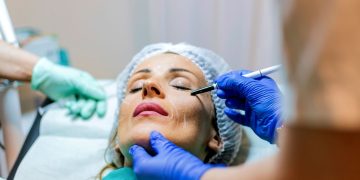
- Consultation and Patch Test: A thorough consultation with a board-certified dermatologist is essential. They will assess your skin type, scar type (rolling, boxcar, icepick), and pigment, and create a customized treatment plan. A patch test may be performed to determine the correct energy settings.
- Pre-Treatment Preparation: You will be instructed to avoid sun exposure, tanning, and self-tanners for at least 4 weeks. You may be prescribed a pre-treatment skincare regimen, often including a retinoid and hydroquinone, to prep the skin and reduce the risk of post-inflammatory hyperpigmentation.
- The Treatment Day:
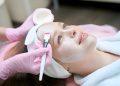
- Your face will be cleansed, and a topical numbing cream will be applied for 45-60 minutes to ensure comfort.
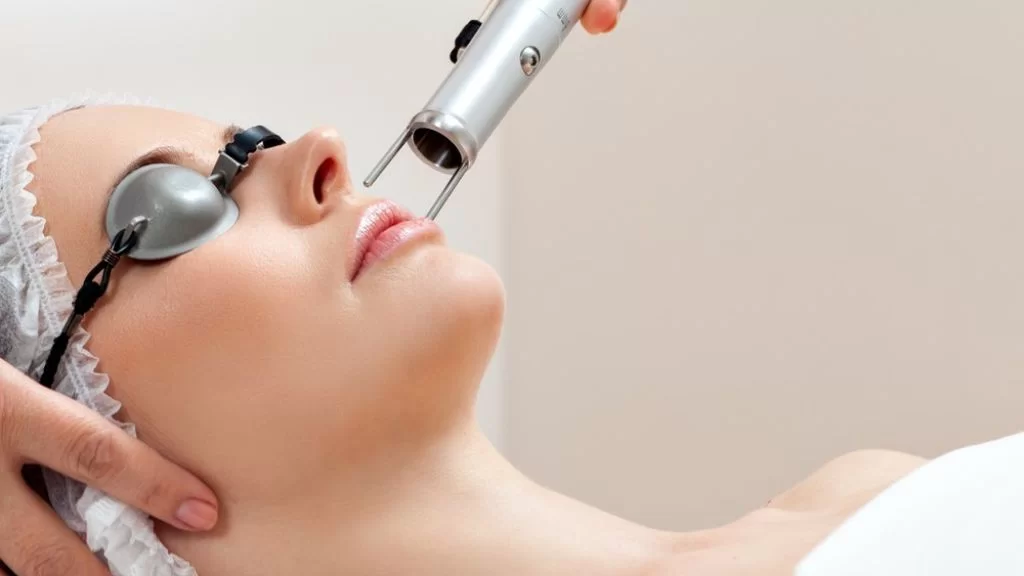
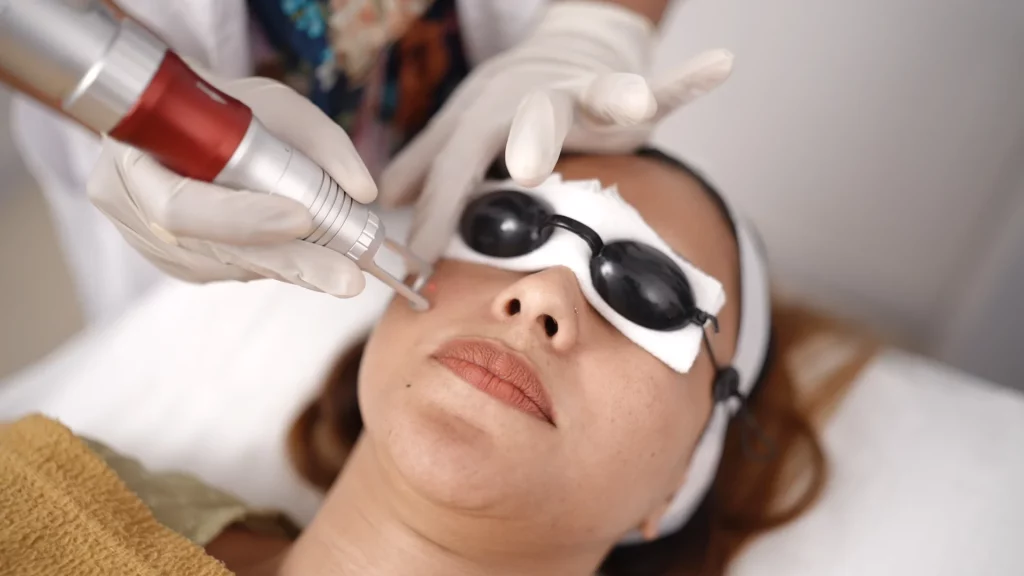
- You and the practitioner will wear protective eyewear.
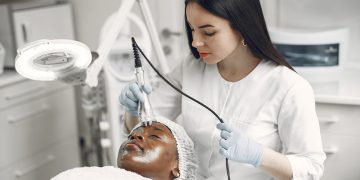
- The laser handpiece will be glided over your skin. The sensation is often described as a series of hot, quick pinpricks. For more aggressive treatments, a cooling device is used to manage discomfort.
- The procedure typically takes 30-60 minutes for a full face.
- Immediate Post-Treatment Appearance: After a fractional laser, your skin will be red, swollen, and feel like a severe sunburn. With ablative lasers, the skin will be raw and oozing. The practitioner will apply a healing ointment or a specialized dressing.
Expected Results: A Timeline of Transformation
Patience is critical with laser resurfacing. Results are not immediate and unfold over several months.
- First 1-2 Weeks: The initial healing phase. The skin will be red, and with fractional lasers, it will undergo “frosting” or “bronzing” as the microscopic damaged tissue is shed.
- 1-3 Months: The initial “glow” emerges as the new skin surface is revealed. Hyperpigmentation begins to fade significantly. The first signs of collagen remodeling can be seen as skin texture starts to improve.
- 3-6 Months: The most dramatic improvements in acne scars become visible as new collagen continues to build and remodel, progressively filling in depressions. Most patients achieve 50-80% improvement in their scarring after a series of 3-5 treatments.
The Non-Negotiable Phase: Critical Aftercare for Success
The results of your laser treatment are only as good as your aftercare. This phase is crucial for preventing complications and maximizing outcomes.
- The First 48-72 Hours: This is the “wound healing” phase.
- Keep it Moist: Apply the recommended healing ointment (like Aquaphor or a medical-grade silicone gel) constantly to prevent scabbing and promote healing.
- Keep it Clean: Gently cleanse with a prescribed gentle wash or sterile saline to prevent infection.
- Do Not Pick: Let the skin shed naturally. Picking can cause scarring.
- The First Two Weeks:
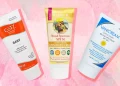
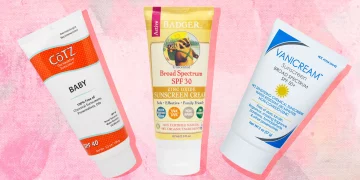
- Meticulous Sun Protection: This is paramount. Your new skin is extremely vulnerable to UV damage. Use a mineral-based sunscreen (Zinc Oxide/Titanium Dioxide) with SPF 30-50+ and reapply every two hours. Wear a wide-brimmed hat outdoors.
- Use Gentle Products: Only use the ultra-gentle, fragrance-free cleansers and moisturizers recommended by your dermatologist.
- Long-Term Maintenance:
- After the skin has fully healed (usually 4-6 weeks), your dermatologist will reintroduce active ingredients like vitamin C, retinoids, and other brighteners to maintain the results and prevent new pigmentation.
- Consistent, daily sunscreen use is a lifelong commitment to protect your investment.
Conclusion: A Path to Confidence, Forged by Science
Laser resurfacing represents one of the most significant advancements in dermatology for treating the dual challenges of acne scars and hyperpigmentation. It is a powerful, science-driven process that goes far beyond surface-level correction to fundamentally rebuild the skin’s architecture. While it requires a financial investment, a commitment to downtime, and diligent aftercare, the potential reward is profound: not just smoother, more even-toned skin, but the restoration of confidence that comes from finally moving beyond the visible legacy of acne. By choosing a qualified provider, having realistic expectations, and embracing the recovery process, you can leverage this remarkable technology to reveal the healthy, radiant skin that lies beneath.