




























The word “detox” is ubiquitous in the wellness world. It promises a fresh start: flushed toxins, renewed energy, and a pristine internal system. From juice fasts and laxative teas to charcoal-infused everything and expensive spa treatments, the detox industry thrives on the powerful allure of purification. But behind the marketing gloss lies a critical question: is this concept based on sound human physiology, or is it a lucrative fiction preying on our health anxieties? The truth is more nuanced than a simple yes or no. The idea that a short-term, aggressive regimen can “cleanse” your body is largely a myth. However, the underlying principle of supporting your body’s innate, ongoing detoxification systems is a cornerstone of legitimate, evidence-based health. This article will cut through the hype by distinguishing between internal and external detox, highlighting the foods that truly support your natural processes, debunking common myths, and outlining a safe, sustainable approach to reducing your toxic load for long-term vitality.
Your Body’s Built-In Purification Plant: Internal vs. External Detox
The first and most important concept to understand is that your body is not a passive vessel filling with toxins. It is a sophisticated, self-cleaning system.
Internal Detox: The Natural, Ongoing Process
Your body possesses a highly efficient, 24/7 detoxification system that requires no trendy products to function. The primary organs involved are:
- The Liver: The Master Chemist: This is your body’s primary processing plant. It uses a two-phase enzymatic process to neutralize toxins—from metabolic waste to environmental chemicals—making them water-soluble so they can be excreted.
- The Kidneys: The Filtration System: They continuously filter your blood, removing the water-soluble waste processed by the liver and excreting it through urine.
- The Gut: The Elimination Pathway: A healthy digestive tract ensures that waste and toxins are moved efficiently out of the body. Fiber is crucial here, as it binds to waste and carries it through the system.
- The Skin: The Secondary Emunctory: Through sweat, the skin helps excrete certain metabolic wastes and heavy metals, though its role is secondary to the liver and kidneys.
This system is automatic and relentless. The goal of any “detox” should be to support these existing systems, not to override or “rest” them.
External Detox: Reducing the Incoming Load
“External detox” is a more accurate term for what we can control: minimizing our exposure to environmental toxins. This is a proactive, preventative strategy focused on what we bring into our bodies and our immediate environment.
- Dietary Toxins: Limiting processed foods, excessive alcohol, and pesticides.
- Environmental Toxins: Reducing exposure to air pollution, heavy metals, and endocrine-disrupting chemicals in plastics and personal care products.
Fueling Your Natural Defenses: Foods That Truly Support Detoxification
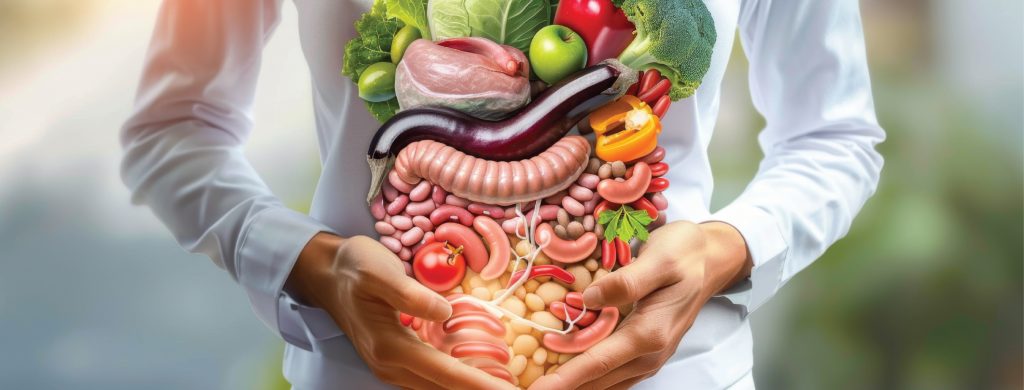
Instead of starving your body with a juice fast, you can powerfully support your liver and other organs by providing them with the specific nutrients they need to perform their jobs optimally. Think of it as giving your internal team the right tools.
- Cruciferous Vegetables (Broccoli, Cauliflower, Kale, Brussels Sprouts): These are powerhouses for liver health. They contain compounds like sulforaphane and glucosinolates that activate the crucial Phase II detoxification enzymes in the liver, which package toxins for elimination.
- Leafy Greens (Spinach, Swiss Chard): Rich in chlorophyll, which has been shown to bind to certain toxins and heavy metals, preventing their absorption.
- Berries and Citrus Fruits: Packed with antioxidants like vitamin C and flavonoids. These compounds protect the liver cells from the oxidative stress generated during the detoxification process itself.
- Garlic and Onions: Contain sulfur-based compounds that are essential for activating liver enzymes and supporting the production of glutathione, the body’s “master antioxidant.”
- High-Fiber Foods (Beans, Lentils, Flaxseeds, Oats): Fiber is non-negotiable. It acts like a broom in the digestive tract, binding to waste and excess hormones (like estrogen) and ensuring they are excreted efficiently, preventing them from being reabsorbed into the bloodstream.
Debunking the Myths: Separating Wellness from Woo
The detox industry is built on a foundation of misconceptions. Let’s dismantle the most common ones.
- Myth 1: “You need a juice cleanse or fast to ‘rest’ your digestive system.”
- The Fact: Your digestive system is designed for continuous function. “Resting” it by only consuming liquid sugar (which is what most fruit-based juices are) deprives your body of essential protein, fat, and fiber. This can lead to muscle loss, blood sugar spikes, and a slowed metabolism. Your gut lining actually relies on fiber from whole foods to stay healthy.
- Myth 2: “This tea/supplement will ‘flush’ toxins from your body.”
- The Fact: Products that cause rapid emptying of the bowels (like laxative teas) do not selectively remove “toxins.” They flush out everything—water, electrolytes, and gut bacteria—which can lead to dehydration, electrolyte imbalances, and a disrupted microbiome. They do not enhance liver function.
- Myth 3: “You can ‘sweat out’ most toxins in a sauna.”
- The Fact: While sweating does excrete trace amounts of heavy metals and urea, its primary role is thermoregulation (cooling the body). The vast majority of toxin removal is handled by the liver and kidneys. Relying on sweat for detox is inefficient and can be dangerous if it leads to dehydration.
- Myth 4: “Detoxing causes ‘withdrawal’ symptoms like headaches and fatigue, which is a sign it’s working.”
- The Fact: These symptoms are not a sign of “toxins leaving the body.” They are a direct result of the cleanse itself: caffeine withdrawal, low blood sugar, dehydration, and a lack of essential nutrients.
A Safe and Sustainable Approach: Lifestyle, Not a Lightning Bolt
True “detoxification” is not an event; it’s a lifestyle. It’s about consistent, daily habits that reduce your toxic burden and support your body’s innate wisdom.
- Prioritize Whole Foods: Build your diet around vegetables, fruits, lean proteins, healthy fats, and whole grains. This naturally provides the vitamins, minerals, and fiber your detox organs need.
- Stay Hydrated: Water is the vehicle that allows your kidneys to filter waste and your bowels to move smoothly. It is the simplest and most effective detox tool you have.
- Move Your Body: Regular exercise improves circulation and promotes lymphatic drainage, which supports the removal of metabolic waste. It also induces sweating, providing a minor secondary pathway for excretion.
- Limit Alcohol and Processed Foods: These are the two biggest dietary sources of “toxins” that your liver must work overtime to process. Reducing them is the single most effective dietary detox strategy.
- Choose Cleaner Products: Gradually transition to personal care and household cleaning products with simpler, non-toxic ingredients to reduce your overall chemical exposure.
- Prioritize Sleep: Your brain has its own waste-clearance system, the glymphatic system, which is most active during deep sleep. This is when your brain “takes out the trash.”
Conclusion: Empowerment Through Physiology
The concept of a quick-fix detox is a compelling but fictional narrative. True health is not found in a drastic, punitive cleanse but in the respectful, consistent support of the magnificent biological systems you already possess. By shifting your focus from “What can I eliminate for 7 days?” to “How can I consistently nourish and support my liver, kidneys, and gut every day?”, you move from a place of anxiety to one of empowerment. The most effective detox is not a product you buy, but a practice you live—a commitment to a lifestyle rich in whole foods, clean water, movement, and rest, allowing your body’s own impeccable intelligence to do what it does best.