






















In the quest for clear, radiant skin, we often overlook one of the simplest, most ancient wellness rituals: brewing a cup of tea. Beyond their comforting warmth and delicate flavors, certain functional teas are potent reservoirs of bioactive compounds that can systematically address the root causes of skin congestion and inflammation. While serums work topically, teas work from within, influencing everything from hormonal balance and stress levels to systemic inflammation and antioxidant defense. Moving beyond mere hydration, specific varieties like green tea, chamomile, and rooibos offer a targeted, holistic approach to skin health. This guide will delve into the science behind these three powerhouse teas, detailing their unique mechanisms for promoting clarity, outlining the best preparation methods to maximize their benefits, suggesting optimal consumption timing, and highlighting crucial potential interactions to ensure you can sip safely and effectively.
The Science in Your Cup: How Green Tea, Chamomile, and Roobios Combat Skin Issues
Each of these teas contains a unique profile of compounds that interact with your body’s systems in ways that directly benefit the skin.
1. Green Tea: The Antioxidant and Anti-Acne Powerhouse
Green tea is the least processed of the true teas (from the Camellia sinensis plant), which preserves its high concentration of potent polyphenols known as catechins. The most studied and powerful of these is Epigallocatechin Gallate (EGCG).
- Mechanism for Clear Skin:
- Potent Anti-Inflammatory: EGCG inhibits the production of pro-inflammatory cytokines in the body, helping to calm the systemic inflammation that fuels red, angry acne papules and pustules.
- Antibacterial Effects Against Acne: Studies have shown that EGCG can effectively inhibit the growth of C. acnes, the primary bacteria responsible for inflammatory acne, by disrupting its cellular function.
- Sebum Regulation: Research indicates that both topical and oral green tea extract can help reduce sebum (oil) production, addressing a key factor in clogged pores.
- Photoprotection: The antioxidants in green tea provide a degree of internal defense against UV-induced free radical damage, which can exacerbate pigmentation and break down collagen.
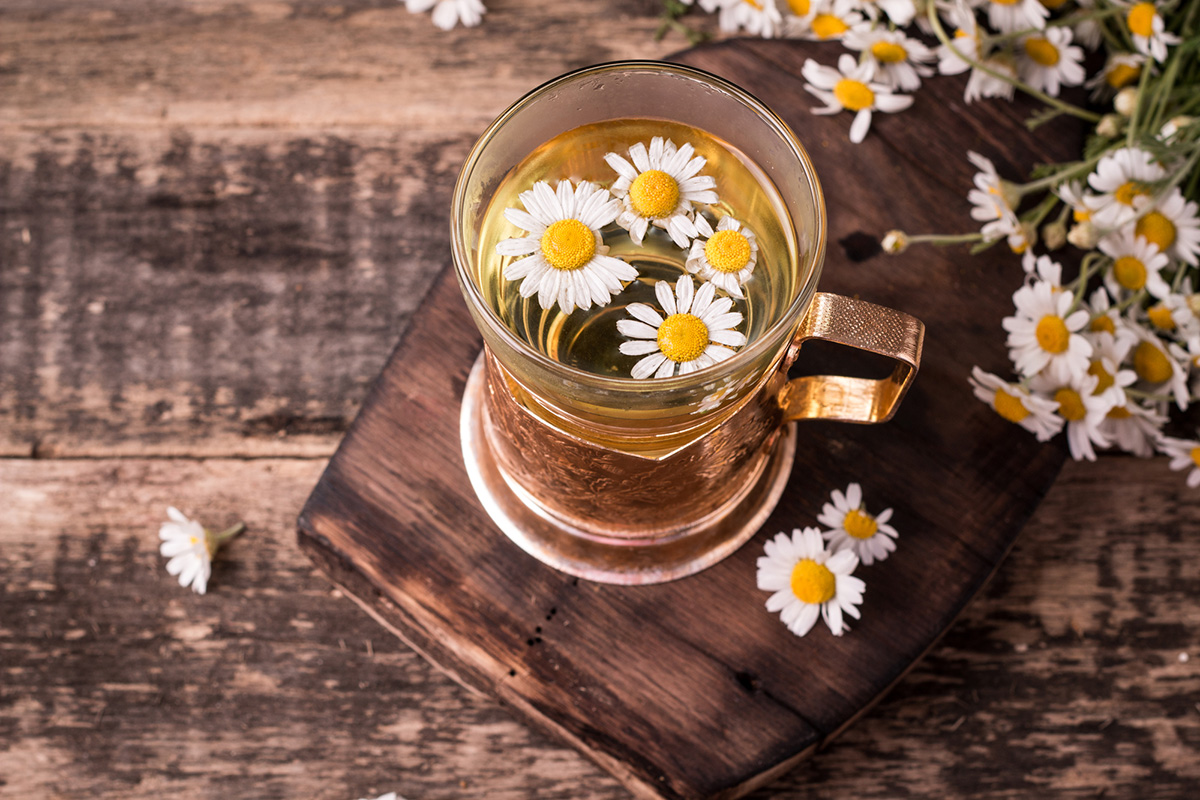
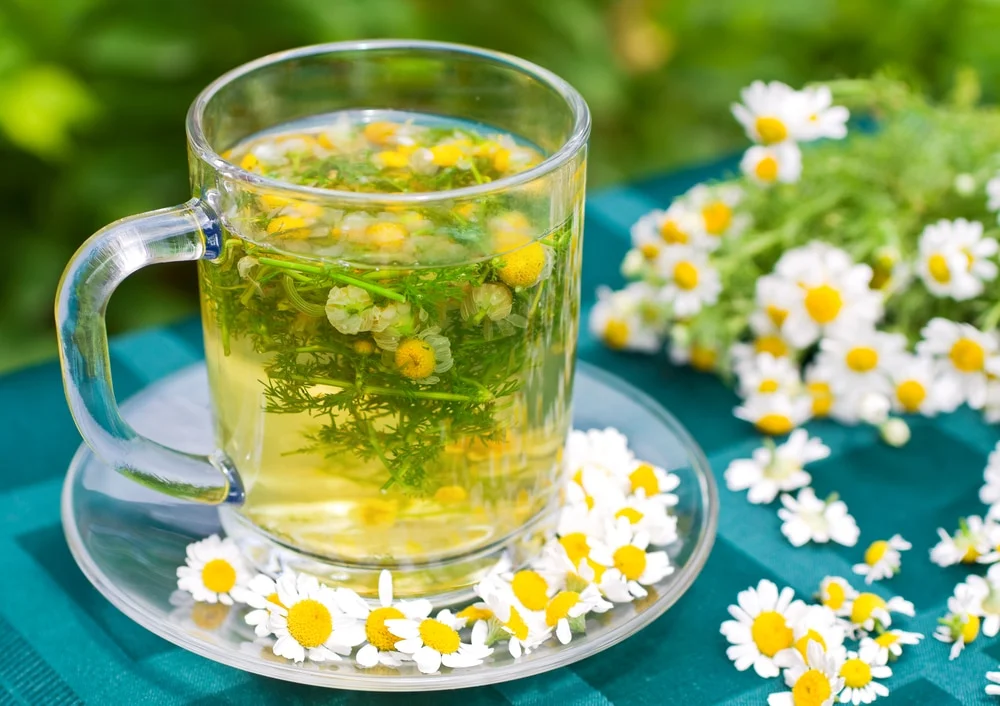
2. Chamomile: The Soothing Stress Reliever
Chamomile, particularly German chamomile, is not a true tea but a herbal infusion (tisane). Its benefits for skin are deeply tied to its legendary calming properties.
- Mechanism for Clear Skin:
- Stress Reduction: Chamomile contains apigenin, an antioxidant that binds to specific receptors in the brain, promoting relaxation and reducing anxiety. Since stress elevates cortisol levels—which in turn increases oil production and inflammation—managing stress is a direct path to clearer skin.
- Anti-Inflammatory and Antihistamine: The compounds in chamomile, like bisabolol and chamazulene, have demonstrated anti-inflammatory and mild antihistamine effects, which can help calm skin conditions like rosacea, general redness, and stress-induced flare-ups.
3. Rooibos: The Hypoallergenic All-Rounder
Rooibos (or red bush tea) is a caffeine-free herbal tea from South Africa. Its skin benefits stem from a unique and powerful antioxidant profile.
- Mechanism for Clear Skin:
- Rich in Aspalathin and Nothofagin: These rare, potent antioxidants are unique to rooibos. They help combat oxidative stress and have been shown to reduce the release of histamines, making it excellent for calming allergic and inflammatory reactions that can manifest on the skin.
- Alpha-Hydroxy Acid Source: Rooibos naturally contains a small amount of alpha-hydroxy acid (AHA), which can gently exfoliate the skin from the inside, promoting cell turnover and a brighter complexion. It’s also a source of the mineral zinc, which is crucial for skin healing and controlling acne.
- Hormonal Balance: Some preliminary research suggests that rooibos can help inhibit the overproduction of cortisol, similar to adaptogenic herbs, making it beneficial for stress-related skin issues.
The Art of the Perfect Brew: Best Preparation for Maximum Benefit
To extract the full spectrum of beneficial compounds, preparation is key.
- Green Tea:
- Water Temperature: Use water cooled to 160-180°F (71-82°C). Boiling water will scorch the delicate leaves, creating a bitter taste and destroying some catechins.
- Steeping Time: Steep for 2-3 minutes. Over-steeping releases too many tannins, which can interfere with the absorption of certain nutrients and add bitterness.
- Tip: Add a squeeze of lemon juice. The Vitamin C can help stabilize the catechins, making them more bioavailable.
- Chamomile:
- Water Temperature: Use just-boiled water (212°F / 100°C) to fully extract the volatile oils and active compounds.
- Steeping Time: Cover and steep for 5-10 minutes. A longer steep is necessary to release the full calming potential.
- Tip: Use a covered cup or teapot to prevent the essential oils from evaporating.
- Rooibos:
- Water Temperature: Use just-boiled water (212°F / 100°C).
- Steeping Time: Steep for 5-7 minutes. Rooibos is robust and won’t become bitter, so a longer steep ensures a richer flavor and greater antioxidant extraction.
Strategic Sipping: Optimal Consumption Timing
When you drink your tea can enhance its specific effects.
- Green Tea: Best consumed in the morning or early afternoon. Its modest caffeine content (about 20-45 mg per cup) can provide a gentle energy lift without the jitters of coffee. Avoid drinking it with meals, as the tannins can inhibit iron absorption; a 1-hour window before or after a meal is ideal.
- Chamomile: The quintessential evening tea. Drink it 30-60 minutes before bed to leverage its calming, sedative properties for a more restful sleep, which is critical for skin repair and regeneration.
- Rooibos: The perfect anytime tea. Since it’s caffeine-free, you can enjoy it throughout the day. A cup in the afternoon can help manage stress levels without affecting sleep, and its antioxidant content makes it a great general wellness beverage.
Potential Interactions: Sipping with Caution
While generally safe, it’s important to be aware of potential interactions.
- Green Tea:
- Iron Absorption: The tannins can bind to non-heme iron (from plant sources), reducing its absorption. Those with iron deficiency should consume green tea between meals.
- Blood Thinners: The Vitamin K content, though low, can potentially interfere with blood-thinning medications like warfarin. Consistent, moderate consumption is key; consult your doctor.
- Stimulants: Due to its caffeine, it may interact with other stimulants.
- Chamomile:
- Blood Thinners: Chamomile contains natural coumarin, which can have a mild blood-thinning effect. Those on medication like warfarin should use caution and consult a physician.
- Sedatives: It can enhance the effect of sedative medications and alcohol.
- Allergies: Those allergic to plants in the daisy family (ragweed, marigolds) may have a cross-reaction.
- Rooibos:
- Chemotherapy: Some test-tube studies suggest rooibos can affect certain enzymes that process chemotherapy drugs. While human data is lacking, those undergoing treatment should consult their oncologist before consuming it in large quantities.
- Hormone-Sensitive Conditions: Due to its weak estrogenic activity in some studies, those with estrogen-positive cancers or other hormone-sensitive conditions should discuss its use with their doctor.
Conclusion: A Simple Ritual for Complexion Clarity
Incorporating functional teas like green tea, chamomile, and rooibos into your daily routine is a gentle yet profoundly effective strategy for supporting clear skin. This approach moves beyond surface-level treatment to address the internal landscape of inflammation, stress, and oxidative damage. By understanding the unique properties of each tea, preparing them correctly, timing their consumption strategically, and being mindful of interactions, you can transform your teacup into a powerful tool for holistic skin wellness. This is a ritual of self-care that offers not just the promise of a clearer complexion, but a moment of daily calm and intentionality, proving that the path to radiant skin can be as simple and soothing as a perfectly brewed cup of tea.