

















In the quest for luscious, healthy hair, we often focus on curl pattern, texture, and density, overlooking one of the most fundamental determinants of hair behavior: porosity. Hair porosity refers to your hair’s ability to absorb and retain moisture and is dictated by the condition of the hair’s outer layer, the cuticle. Imagine the cuticle as a series of overlapping shingles on a roof. How open or closed those shingles are directly controls what gets in and, just as importantly, what stays in. Understanding your hair’s porosity level is not a niche concern; it is the foundational knowledge that unlocks the door to an effective, personalized hair care regimen. It explains why a product that works miracles for a friend leaves your own hair feeling like straw, or why your hair seems to get wet instantly but takes forever to dry. This guide will demystify the three levels of porosity—low, medium, and high—and provide a clear roadmap for the suitable products, routines, and critical moisture-protein balance needed to finally achieve hydrated, resilient, and vibrant hair.
The Three States of Porosity: A Detailed Explanation
Your hair’s porosity is primarily determined by genetics but can be altered by chemical processing, heat styling, and environmental exposure.
1. Low Porosity Hair: The Sealed Shingle
- The Structure: The cuticle layers are tightly bound and lay flat, with very few gaps between them. This creates a resistant, smooth surface.
- The Behavior:
- Water Repellent: It is difficult for water and products to penetrate the hair shaft. You may notice water beading up on your hair during washing.
- Slow to Dry: Because moisture cannot easily enter, it also doesn’t easily escape, leading to very long drying times.
- Product Buildup: Products often sit on top of the hair, feeling greasy or waxy without providing any actual hydration, leading to quick dullness.
- Common In: Virgin (unprocessed) hair, especially in many straight and wavy hair types, though it can occur in any texture.
2. High Porosity Hair: The Open Shingle
- The Structure: The cuticle is raised, damaged, or has gaps and holes in it. It cannot lay flat, creating a rough, uneven surface.
- The Behavior:
- Quick Absorption: Hair absorbs water and products very quickly, feeling dry again shortly after.
- Quick to Dry: Moisture enters easily but escapes just as easily, leading to rapid drying times.
- Prone to Tangles and Breakage: The rough, open cuticle creates immense friction between strands and makes the hair structurally weak.
- Common In: Chemically treated (bleached, relaxed, permed), frequently heat-styled, or sun-damaged hair. It can also be a genetic trait, common in some coily hair types.
3. Medium (Normal) Porosity Hair: The Balanced Ideal
- The Structure: The cuticle is slightly open, with a healthy, balanced structure that allows for optimal moisture management.
- The Behavior:
- Easy Moisture Intake: It absorbs moisture relatively easily.
- Good Moisture Retention: It retains that moisture for a good amount of time.
- Holds Styles Well: This hair type is the most responsive to styling and chemical treatments.
- The Goal: For those with low or high porosity, the aim of your routine is to nudge your hair towards behaving like medium porosity hair.

The Personalized Regimen: Suitable Products and Routines for Each Type
For Low Porosity Hair: The Key is Warmth and Lightness
The strategy is to gently encourage the cuticle to open and use products that can slip through the tight cracks.
- Cleansing: Use a gentle, clarifying shampoo weekly to prevent buildup.
- Conditioning & Moisturizing:
- Use Heat: Apply conditioner and deep conditioners with WARMTH. Use a steamer, thermal cap, or simply sit in a warm bathroom. Heat causes the cuticle to temporarily swell and open, allowing hydration to penetrate.
- Lightweight Liquids: Use water-based leave-in conditioners and liquid-based products. Avoid heavy butters and oils that will simply sit on the surface.
- The LCO Method: Liquid (water-based leave-in), Cream (lightweight), Oil (to seal). The oil is crucial to seal in the moisture you worked so hard to get in.
- Drying: Air drying can take an eternity. A hooded dryer or diffuser on low heat can help speed up the process.
For High Porosity Hair: The Key is Sealing and Protection
The strategy is to fill in the gaps and create an artificial barrier to lock moisture in.
- Cleansing: Use a moisturizing, sulfate-free shampoo to avoid further stripping.
- Conditioning & Moisturizing:
- Protein & Moisture Masks: Regular deep conditioning with both moisturizing and protein-rich treatments is essential to fill holes in the cortex.
- The LCO or LOC Method: Liquid, Cream, then a HEAVY Oil or Butter (like castor oil or shea butter) as the final step to create a powerful seal.
- Rinse with Cool Water: A final cool rinse helps to flatten the cuticle slightly, smoothing the surface.
- Drying: Gently blot with a microfiber towel. Avoid rough drying, which can worsen the already rough cuticle.
The Delicate Dance: Mastering Moisture and Protein Balance
This is the most critical concept for managing porosity. Think of moisture as water, making hair flexible and soft. Protein is the structure, like the beams in a house, making hair strong and resilient.
- Low Porosity Hair: Tends to be protein-sensitive. Too much protein can easily overload the already closed cuticle, making hair feel hard, brittle, and straw-like. Focus on moisture, moisture, moisture, with only occasional, light protein treatments.
- High Porosity Hair: Craves protein. The gaps in the hair shaft mean it loses protein easily. Without it, hair feels mushy, stretchy, and weak. It needs a consistent balance of both heavy moisture and regular protein treatments to fill those gaps and reinforce the structure.
- How to Tell What You Need:
- Need Moisture: Hair feels dry, brittle, rough, and tangles easily.
- Need Protein: Hair feels overly soft, gummy when wet, stretches and doesn’t return, and breaks easily.
Styling Considerations for Lasting Results
Your porosity should inform your styling choices to maximize hold and minimize damage.
- Low Porosity: Because products don’t penetrate deeply, styles may not hold as long. Light mousses and gels are best. Heat styling can be effective but use a heat protectant to prevent converting low porosity hair into high porosity hair.
- High Porosity: Hair absorbs styling products quickly, which can sometimes lead to dryness or crunchiness. Using a leave-in conditioner as a base is crucial. It holds styles very well but is more susceptible to heat damage; always use a protectant and lower heat settings.
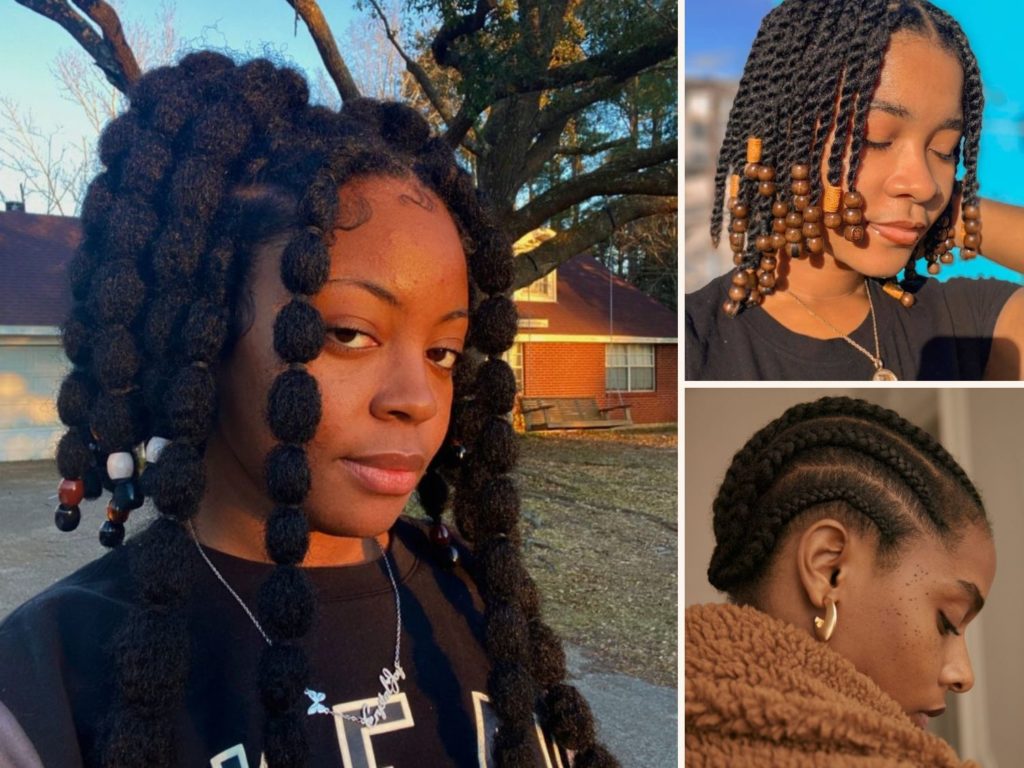
- Protective Styling: For high porosity hair, protective styles like braids or twists can help minimize daily manipulation and environmental exposure, reducing moisture loss. For low porosity hair, ensure these styles aren’t too tight, as the scalp health is paramount.
Conclusion: Working With Your Hair, Not Against It
Understanding your hair’s porosity is the ultimate act of listening to your hair. It moves you from random experimentation to a strategic, scientific approach to care. By identifying whether you have low, high, or medium porosity hair, you can select products that actually work with your hair’s structure, adopt routines that effectively manage moisture, and strike the perfect protein-moisture balance. This knowledge empowers you to stop fighting your hair’s natural tendencies and start nurturing them, transforming your routine from a source of frustration into a pathway to achieving the healthy, hydrated, and beautiful hair you deserve.