
























The promise of longer, thicker, and faster-growing hair fuels a multi-billion dollar supplement industry. Walk down any pharmacy aisle or scroll through social media, and you’ll be bombarded with bottles and influencers claiming that a simple pill can transform your hair. From the ever-popular biotin to trendy collagen peptides and essential vitamins, the options are endless. But amidst the compelling before-and-after photos, a critical question remains: which of these supplements are backed by legitimate science, and which are simply capitalizing on our hopes? The truth is, the efficacy of a hair supplement is not universal; it hinges entirely on an individual’s specific nutritional status and the underlying cause of their hair concerns. This comprehensive guide will analyze the most popular supplements—biotin, collagen, and key vitamins—by examining the clinical research behind them, providing realistic dosage guidelines, and outlining crucial safety precautions to help you make an informed, evidence-based decision for your hair health.
The Big Three: A Deep Dive into Biotin, Collagen, and Essential Vitamins
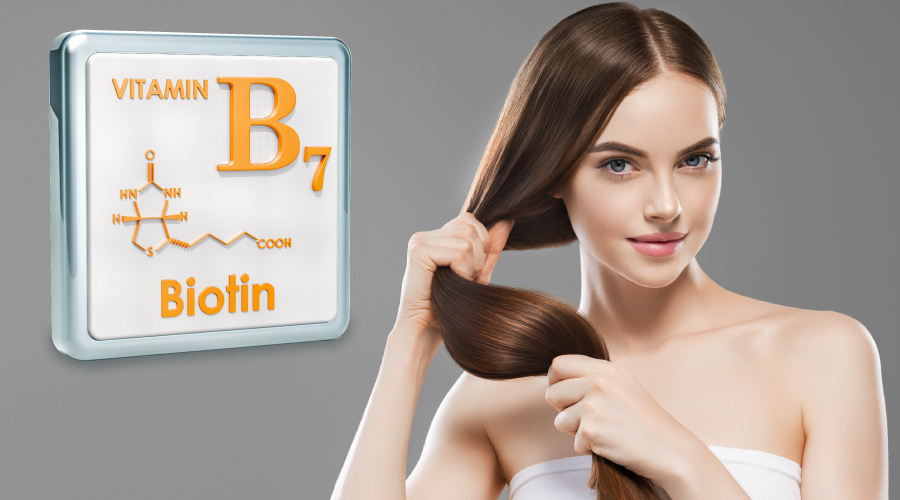
1. Biotin (Vitamin B7): The Celebrity Supplement
- The Claim: Promotes hair growth, increases thickness, and strengthens nails.
- The Scientific Reality:
- Biotin plays a crucial role in the production of keratin, the primary protein that makes up hair. A deficiency in biotin does cause hair loss, skin rashes, and brittle nails.
- However, true biotin deficiency is exceptionally rare in people who consume a balanced diet, as it is found in a wide variety of foods like eggs, nuts, and seeds.
- The Crucial Caveat: There is a significant lack of robust, independent clinical trials demonstrating that biotin supplementation improves hair growth in individuals who are not biotin-deficient. The evidence supporting its widespread use is largely anecdotal or funded by companies that sell biotin.
- Who It’s Actually For: Individuals with a clinically diagnosed biotin deficiency, which can occur in people with conditions that impair nutrient absorption, on certain medications (like anticonvulsants), or who consume raw egg whites in excess (which contain a protein that binds biotin).
2. Collagen Peptides: The Structural Support
- The Claim: Provides the building blocks for hair, strengthens the hair follicle, and improves skin elasticity.
- The Scientific Reality:
- Collagen is a major component of the dermis, the skin layer in which hair follicles reside. A healthy follicle environment is essential for robust hair growth.
- When you consume hydrolyzed collagen peptides, your body breaks them down into amino acids, such as glycine, proline, and hydroxyproline. These are the same amino acids that make up keratin.
- Some promising studies have shown that collagen supplementation can increase hair thickness, diameter, and growth in individuals with age-related thinning. The theory is that it provides a readily available pool of raw materials for the body to use in building hair and supporting the follicle.
- Who It’s For: This may be beneficial for individuals experiencing age-related hair thinning or those looking to support overall skin and hair health as a preventative measure. It is less likely to help with hair loss caused by genetics or severe medical conditions.
3. Essential Vitamins and Minerals: The Foundational Players
Hair growth is a complex metabolic process that requires a symphony of nutrients.
- Iron: This is arguably one of the most important minerals for hair health, especially in women. Iron is essential for producing hemoglobin, which carries oxygen to hair follicles. Low ferritin levels (stored iron) are a well-documented cause of chronic telogen effluvium (shedding), even in the absence of full-blown anemia.
- Zinc: Zinc plays a vital role in DNA and RNA synthesis, which is critical for the highly proliferative cells of the hair follicle. Deficiency can cause hair loss, and supplementation can reverse it in deficient individuals.
- Vitamin D: Receptors for Vitamin D are found in hair follicles. Research has linked low Vitamin D levels to various forms of hair loss, including alopecia areata and female pattern hair loss. While it’s not a “growth stimulant,” maintaining adequate levels is crucial for a healthy follicle lifecycle.

Efficacy Research: The Critical Importance of Deficiency
The overarching theme in hair supplement research is that they are most effective at correcting a problem caused by their absence. A supplement will not make hair grow “faster than your genetic potential” if you are already nutritionally replete. It works by filling a gap. Taking high doses of biotin when your levels are already sufficient is like pouring more water into a glass that is already full—the excess is simply excreted. The most significant results are seen in individuals who are deficient in a specific nutrient and then supplement to restore their levels to normal.
Dosage, Timing, and The Power of Consistency
- Biotin: Typical over-the-counter doses range from 2,500 to 10,000 mcg. Since it is water-soluble, consistency is more important than timing. It can be taken with or without food.
- Collagen: Most studies use a dose of 10-15 grams of hydrolyzed collagen peptides daily. For best absorption, it should be taken with Vitamin C, which is a co-factor for collagen synthesis. Many people mix it into their morning coffee, smoothie, or a glass of juice.
- Iron: Do not self-prescribe iron. The dosage must be determined by a doctor based on a blood test (ferritin level). Excessive iron is toxic. Therapeutic doses for deficiency are much higher than what is found in standard multivitamins.
- Zinc: The recommended dietary allowance (RDA) for adults is 8-11 mg. High-dose supplementation (50 mg or more) should only be done under medical supervision, as it can cause copper deficiency and other side effects.
- General Rule: Fat-soluble vitamins (A, D, E, K) are best taken with a meal containing fat for absorption. A consistent daily routine is key, as hair growth is a slow process, and results take 3-6 months to become visible.
Critical Safety Precautions and Interactions
The “natural” label on supplements does not equate to “risk-free.”
- Biotin Interference with Lab Tests: This is the most significant safety concern. High doses of biotin can severely interfere with critical blood tests, including those for troponin (used to diagnose heart attacks), thyroid function, and hormone tests. This can lead to misdiagnosis or failure to diagnose a serious condition. It is imperative to stop taking biotin at least 3-5 days before any blood work.
- The Risk of “Hair Gummies”: Many popular gummy supplements are packed with sugar and contain minimal effective doses of key ingredients. They often lack the most critical components, like iron, due to the high dose required.
- Vitamin A Toxicity: Over-supplementing with Vitamin A (retinol) can actually cause hair loss, among other serious health issues.
- Medical Consultation is Non-Negotiable: Before starting any new supplement regimen, especially for hair loss, consult a doctor or dermatologist. They can order blood tests to check for deficiencies in ferritin, Vitamin D, and zinc, ensuring you are supplementing strategically and safely. Self-diagnosing can waste time and money while allowing the underlying cause of hair loss to progress.
Conclusion: A Targeted, Not a Scattershot, Approach
The most effective approach to hair supplements is not to take a shotgun blast of every popular ingredient, but to use a sniper’s rifle, targeting specific, confirmed deficiencies. For the general population with no underlying deficiencies, a balanced diet rich in protein, iron, and zinc is far more beneficial than a cabinet full of supplements. The real “miracle pill” is often an evidence-based diagnosis. By understanding the science, respecting dosage, and prioritizing medical guidance, you can navigate the world of hair supplements intelligently, investing your resources wisely in strategies that are far more likely to yield the healthy, strong hair you desire.