





















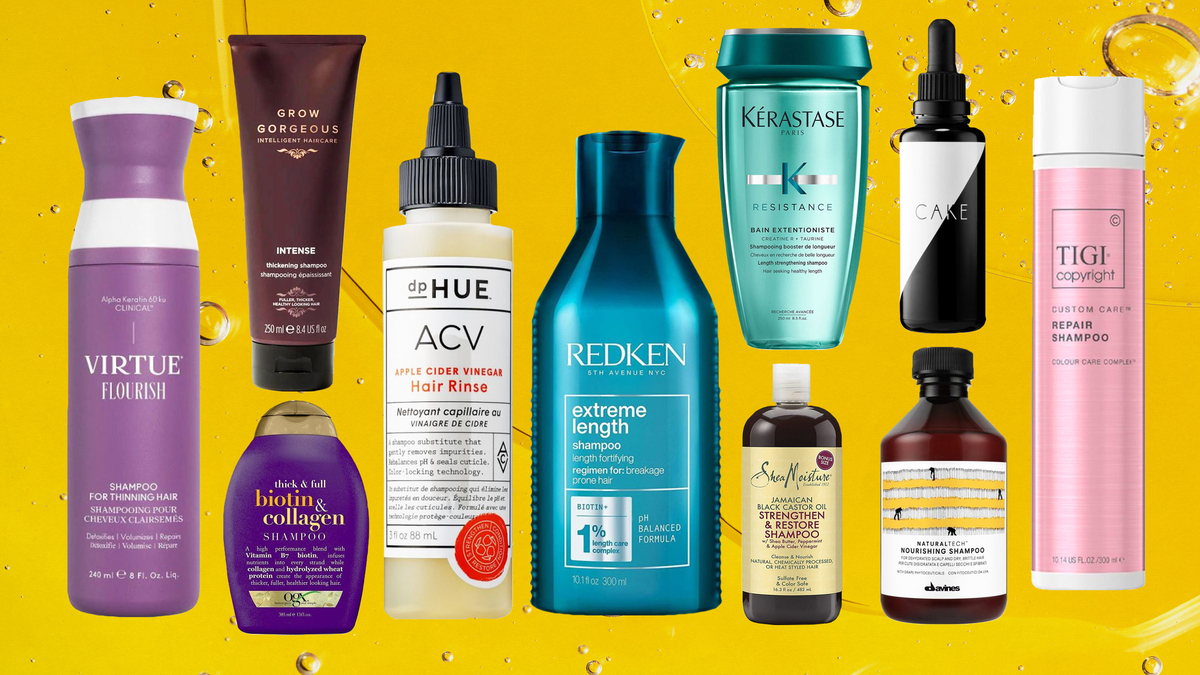
Split ends are one of the most common and persistent hair concerns, yet one of the most misunderstood. Almost everyone experiences them, regardless of hair type, length, or texture. They can make hair look dull, frizzy, uneven, and unhealthy — and if left untreated, they continue to travel up the hair shaft, causing more significant damage over time.
This comprehensive guide breaks down what truly causes split ends, how to prevent them, the role of regular trims versus treatments, and the types of products that best support long-term hair health. If you want smoother, shinier, stronger hair, understanding split ends is the first step.
1. What Causes Split Ends?
Split ends (trichoptilosis) occur when the protective outer layer of the hair shaft, the cuticle, becomes damaged or worn away. Once the cuticle weakens, the inner cortex becomes exposed and begins to fray.
Here are the most common reasons this happens:
1.1 Mechanical Damage
Brushing, combing, and detangling can create friction that weakens the hair shaft.
Typical mechanical stressors include:
- Brushing too aggressively
- Using fine-tooth combs on textured or curly hair
- Detangling dry hair instead of damp or conditioned hair
- Elastic bands without protective coating
- Rough towel-drying (rubbing instead of blotting)
These actions strip moisture and stretch the hair beyond its natural elasticity, creating breakage and splits.
1.2 Heat Damage
Excess heat breaks down keratin bonds and removes internal moisture.
Heat tools include:
- Flat irons
- Curling irons/wands
- Blow dryers
- Hot rollers
Using high temperatures repeatedly — especially without heat protectant — causes dryness and micro-cracks that evolve into split ends.
1.3 Chemical Damage
Chemical treatments weaken structural bonds.
This includes:
- Hair relaxers
- Perms
- Bleaching
- Lightening sessions
- Permanent coloring
These treatments compromise the cuticle, making the strand less able to withstand manipulation.
1.4 Environmental Exposure
Hair is constantly exposed to elements that contribute to damage, such as:
- UV radiation
- Wind friction
- Low humidity
- Chlorine in pools
- Saltwater
- Pollution
Over time, these factors can dry, roughen, and strip the hair.
1.5 Dehydration and Lack of Moisture
Hair that lacks hydration becomes brittle. Brittle hair is more likely to tear or split when stretched.
Low moisture occurs due to:
- Over-washing
- Using harsh shampoos
- Skipping conditioner
- Not sealing moisture into the hair
- Hard water buildup
Hydrated hair bends — dry hair breaks.
1.6 Natural Wear and Tear
The ends of your hair are the oldest part. Depending on length, they may be two, three, or even five years old.
Over time:
- Exposure accumulates
- Cuticles thin
- Flexibility decreases
This natural aging makes split ends inevitable without proper care.
2. What Are the Best Strategies to Prevent Split Ends?
While you cannot eliminate split ends entirely, you can dramatically reduce how often they develop and how severe they become.
Below are comprehensive strategies for prevention.
2.1 Handle Your Hair Gently
Gentle hair handling is the foundation of prevention.
Tips:
- Detangle starting from the ends, gradually moving upward
- Use wide-tooth combs
- Switch to flexible detangling brushes
- Avoid brushing soaking wet hair (especially fine hair)
- Motor slowly through knots — never yank
Small changes in your handling method produce major improvements.
2.2 Improve Your Wash Routine
How you wash hair matters just as much as products.
Healthy wash habits:
- Wash with sulfate-free shampoos
- Focus shampoo on the scalp, not the ends
- Always condition
- Rinse with lukewarm or cool water
- Use a microfiber towel or a cotton T-shirt
This minimizes stripping and keeps cuticles smooth.
2.3 Keep Hair Well-Moisturized
Moisturizing and sealing prevent dryness, which is the number-one precursor to split ends.
Key steps:
- Use deep conditioners weekly
- Apply leave-in conditioners
- Seal moisture using oils or hair butters (depending on hair type)
- Use hydrating hair masks
- Avoid over-washing
- Use hydrating mists between washes
When hair has adequate moisture, it stretches more easily and resists tearing.
2.4 Protect Hair While Sleeping
Nighttime friction is a major cause of split ends.
Protective options:
- Silk or satin pillowcases
- Silk or satin bonnets/scarves
- Loose braids or twists
- Pineapple updo for curly hair
These reduce cuticle roughness and preserve moisture.
2.5 Reduce Heat Styling
The more heat you use, the more likely you are to see split ends.
If you must use heat:
- Always apply heat protectant
- Keep temperature lower (≤180°C / 350°F)
- Use ceramic tools
- Limit flat-ironing to once per week or less
- Air dry partially before blow-drying
Heat used carefully becomes safer and less damaging.
2.6 Protective Hairstyles
These help reduce friction and exposure.
Great protective styles:
- Braids
- Twists
- Buns
- Updos
- Wigs
- Silk wraps
Always ensure the style is not tight or pulling on roots.
3. Are Regular Trims or Treatments Better for Split Ends?
This is one of the most common questions in hair care — and the answer is clear:
Split ends cannot be repaired permanently.
Treatments can temporarily bind a split end together, but only trimming can remove it entirely.
Let’s break down the differences.
3.1 Why Regular Trims Are Essential
Trims:
- Remove split ends
- Prevent splits from traveling upward
- Create healthier-looking hair
- Improve shape and volume
- Reduce tangling and snagging
If you avoid trimming, the split continues up the strand and results in larger chunks of breakage.
Recommended trim interval:
- Every 8–12 weeks for most hair types
- Every 6–8 weeks if hair is chemically treated
- Every 10–16 weeks for natural, protective-style wearers
You don’t need to cut a lot — regular micro-trims work extremely well.
3.2 What Treatments Can Do (and Not Do)
Treatments cannot heal a split end but can:
- Temporarily smooth the cuticle
- Reduce the appearance of fraying
- Prevent new splits
- Strengthen weak spots
- Improve elasticity
Examples:
- Protein treatments
- Hydrating masks
- Bond-building products
- Silicone-based serums
- Leave-ins
What they cannot do:
- Permanently glue ends back together
- Reverse structural damage once a split forms
Think of treatments as support, not solutions.
4. Which Products Help Prevent Split Ends?
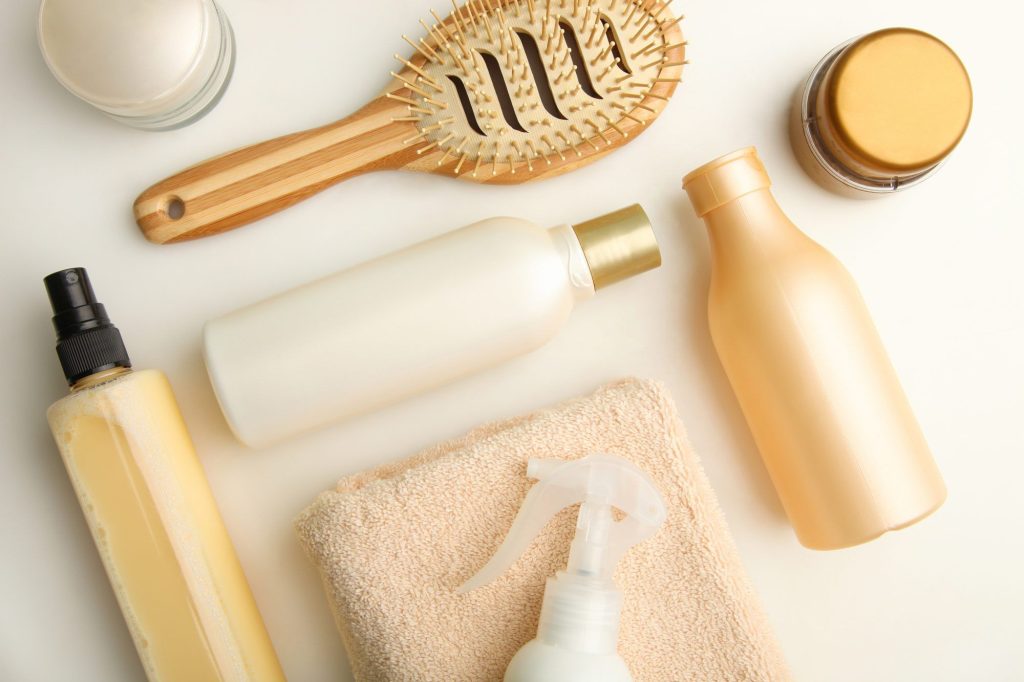
Choosing the right products plays a significant role in maintaining hair integrity.
4.1 Moisturizing Shampoos & Conditioners
Look for:
- Glycerin
- Aloe vera
- Panthenol
- Shea butter
- Coconut milk
Avoid:
- Harsh sulfates
- Drying alcohols
4.2 Leave-In Conditioners
These provide ongoing hydration throughout the day.
Benefits:
- Improve detangling
- Reduce breakage
- Smooth the cuticle
Ideal for curly, coily, dry, or chemically treated hair.
4.3 Oils and Hair Butters
These seal moisture and protect the ends.
Top oils:
- Argan
- Jojoba
- Avocado
- Sweet almond
- Grapeseed
Great butters:
- Shea
- Mango
- Murumuru
Apply lightly to ends only to avoid buildup.
4.4 Protein or Bond-Building Treatments
Use every 3–6 weeks depending on hair type.
Ingredients to look for:
- Hydrolyzed keratin
- Hydrolyzed wheat protein
- Amino acids
- Peptides
- Bond builders (bis-aminopropyl diglycol dimaleate, maleic acid, citric acid complexes)
These reinforce weak areas susceptible to splitting.
4.5 Heat Protectants
A must-have, even if you use heat occasionally.
A good heat protectant:
- Forms a protective barrier
- Minimizes moisture loss
- Reduces direct heat impact
Spray or serum forms both work effectively.
5. Final Thoughts: Can You Truly Prevent Split Ends?
You cannot stop split ends entirely — they are part of the natural aging process of hair.
But you can drastically reduce them.
By understanding the causes, applying prevention strategies consistently, balancing trims with helpful treatments, and choosing the right products, you create an environment where your ends stay smoother, stronger, and healthier for longer.
Hair thrives with:
- Moisture
- Protection
- Gentle handling
- Consistency
Healthy ends are the foundation of long, beautiful, resilient hair.