

























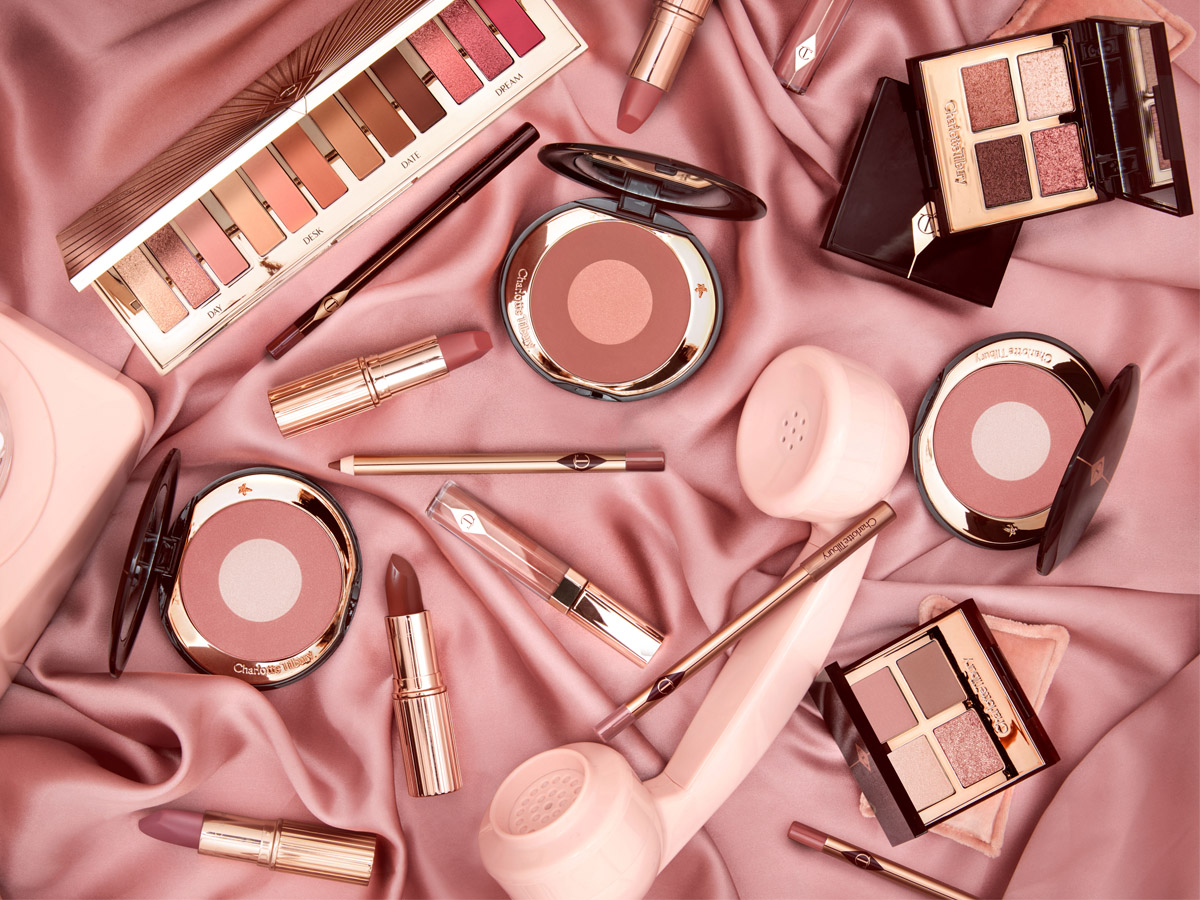
Concealer is one of the most essential products in any makeup routine. It has the power to hide blemishes, dark circles, redness, and other imperfections, instantly brightening and evening out your complexion. However, choosing the right concealer for your skin tone can be surprisingly tricky. Picking the wrong shade or texture can make imperfections more noticeable, create a cakey finish, or clash with your natural skin color. In this guide, we’ll explore how to select the perfect concealer, focusing on shade matching, texture selection, application techniques, and blending tips.
Understanding the Role of Concealer
Before diving into product selection, it’s important to understand what concealer does. Unlike foundation, which provides overall coverage, concealer is targeted. It is used to mask specific areas of concern, including:
- Dark circles under the eyes
- Redness around the nose or blemishes
- Hyperpigmentation or scars
- Uneven skin tone in certain areas
The ideal concealer should blend seamlessly with your foundation or bare skin, offering coverage without looking heavy or unnatural.
Shade Matching: Finding Your Perfect Hue
Shade matching is arguably the most crucial step when choosing a concealer. Here’s how to do it correctly:
- Determine Your Undertone
Skin undertones are categorized as warm, cool, or neutral.- Warm undertones: Your skin has yellow, peach, or golden hues. Concealers with a yellow or golden base usually work best.
- Cool undertones: Skin shows pink, red, or blue hints. Opt for concealers with pink or peachy undertones.
- Neutral undertones: Balanced between warm and cool. Neutral shades often work, but slight adjustments in undertone may enhance the look.
- Consider the Area of Application
- Under the eyes: Choose a shade 1–2 shades lighter than your natural skin tone to brighten and lift the area. Avoid shades that are too light, which can create a grayish or ashy look.
- Blemishes and spots: Use a concealer that matches your foundation exactly for a seamless finish.
- Test Before You Buy
Always swatch concealer on your jawline or inner wrist in natural light. Check how it blends with both your skin tone and foundation. Avoid testing only on the back of your hand, as it may differ from your face. - Color Correcting for Problem Areas
For stubborn discoloration, color-correcting concealers can help. For example:- Orange or peach tones neutralize blue or purple dark circles.
- Green tones cancel out redness from blemishes.
- Lavender tones brighten sallow skin.
Texture Selection: Cream, Liquid, or Stick?
The texture of your concealer affects coverage, longevity, and how it wears on your skin type. Choosing the right formula is essential:
- Liquid Concealers
- Best for most skin types and versatile in coverage.
- Lightweight, blendable, and ideal for under the eyes.
- Can be built up for medium coverage without looking cakey.
- Cream Concealers
- Thicker and more pigmented than liquids.
- Perfect for covering blemishes, scars, and hyperpigmentation.
- May require careful blending to avoid a heavy look.
- Stick Concealers
- Highly pigmented and convenient for on-the-go touch-ups.
- Works best for localized coverage rather than under-eye use.
- Can be heavy if applied too thickly, so blend carefully.
- Powder Concealers
- Ideal for oily skin and setting cream concealers.
- Provides a matte finish and helps prolong wear.
- Less suitable for dry or textured areas as it may emphasize fine lines.

Application Techniques for Flawless Coverage
How you apply concealer matters as much as the formula itself. Proper techniques can make your skin look natural and flawless.
- Use a Light Hand
Apply small amounts and build coverage gradually. Applying too much at once can result in a cakey or unnatural finish. - Targeted Placement
- Under-eye circles: Apply in a triangle shape, with the base along your lower lash line and the point toward your cheek. This lifts and brightens the area.
- Blemishes: Dab directly on the spot and blend edges gently. Avoid spreading over large areas, as it can draw attention to imperfections.
- Redness: Lightly apply concealer only where needed, often around the nose or chin.
- Tools for Application
- Brushes: Ideal for precision and blending small areas.
- Beauty sponges: Perfect for under-eye and larger areas for a seamless finish.
- Fingers: The warmth of your fingers can help blend cream or liquid concealers naturally.
Blending Tips for a Natural Look
Even the perfect concealer can look unnatural if it’s not blended correctly. Here’s how to ensure a flawless finish:
- Blend Edges Seamlessly
Use a sponge or brush to softly blend the edges into your skin or foundation. Avoid harsh lines that reveal where concealer starts and ends. - Set With Powder
Under-eye concealer often creases due to movement or natural oils. Lightly set with a translucent powder to maintain smoothness and longevity. For blemishes, a light dusting of powder can prevent fading without caking. - Layer if Necessary
For stubborn dark circles or scars, layering a color-corrector first and then a concealer matching your skin tone provides optimal coverage without excess product. - Adjust According to Skin Type
- Dry skin: Avoid heavy powders. Focus on hydrating concealers and use minimal setting powder.
- Oily skin: Use a matte formula and set with powder to prevent sliding or creasing.
- Combination skin: Blend formulas depending on the area—hydrating under the eyes and matte on blemishes.
Common Mistakes to Avoid
Even experienced makeup users can make mistakes when choosing or applying concealer:
- Using the Wrong Shade
Too light or too dark concealer can draw attention rather than conceal. Always test in natural light. - Over-Applying Product
Heavy-handed application creates a cakey, unnatural look and can settle into fine lines. - Neglecting Undereye Prep
Under-eye concealer works best on hydrated skin. Use an eye cream or primer to prevent dryness and creasing. - Ignoring Skin Undertone
Concealers not suited to your undertone can clash with your foundation, making skin appear ashy or orange. - Skipping Blending
Even the best formula fails if not blended properly. Always use tools or fingers to ensure a seamless finish.
Final Thoughts
Choosing the right concealer for your skin tone is a blend of art and science. Understanding your undertone, selecting the appropriate texture, applying with precision, and mastering blending techniques are all essential for a flawless finish. By avoiding common mistakes and experimenting with different shades and formulas, you can enhance your natural beauty and achieve a radiant, even complexion. Concealer isn’t just about covering imperfections—it’s about highlighting and enhancing your features in a way that feels effortless and natural.