

























The world of highlighting and contouring can seem intimidating, filled with complex diagrams of face maps and intimidating arrays of creams and powders. Popularized by social media, the technique often involves stark stripes of color that look jarring in everyday life. However, at its core, contouring and highlighting is simply the art of using light and shadow to enhance your natural bone structure. It’s not about creating a new face, but about subtly defining the one you have. When done correctly, it can sculpt your features, bring forward your best assets, and create a beautifully balanced complexion. This beginner’s guide will demystify the process, teaching you how to map your unique face, choose the right products, decide between a subtle or dramatic effect, and, most importantly, master the blending techniques that make all the difference between a muddy mess and a professional, seamless finish.
The Foundation of the Illusion: Understanding Your Personal Face Map
Before you pick up a product, you must understand the “why” behind the placement. The principle is simple: contour (a shade darker than your skin) recedes, and highlight (a shade lighter) brings forward.
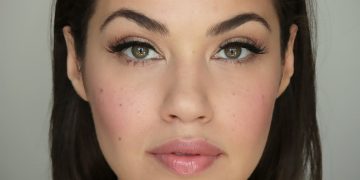
To find your personal map, stand in front of a mirror under direct light and observe where the light naturally hits and where shadows naturally fall.
- Where to CONTOUR (Apply Darker Shades): These are the areas you wish to subtly minimize or define.
- Hollows of your cheeks: Suck in your cheeks to find the hollows. The contour shade goes just below your cheekbone.
- Hairline and temples: Softly around the perimeter to minimize a larger forehead.
- Jawline: Along the jawbone to define and soften the line.
- Sides of the nose: To create the illusion of a slimmer nose bridge (use a very light hand).
- Where to HIGHLIGHT (Apply Lighter Shades): These are the high points you want to emphasize and bring into the light.
- High points of cheekbones: Directly on top of the cheekbone, above where you contoured.
- Bridge and tip of the nose: Down the center.
- Cupid’s bow: The V-shape of your upper lip.
- Brow bone: Just under the arch of your eyebrow.
- Center of forehead and chin.
Choosing Your Weapons: A Guide to Product Types
The formula you choose will determine the finish and difficulty level.
- Cream Products (Sticks, Liquids, Creams):
- Pros: Offer the most natural, skin-like, and blendable finish. They melt into the skin, making them ideal for dry or mature skin types.
- Cons: Can move your foundation underneath if you blend too aggressively. They have a shorter wear time than powders.
- Best For: Beginners seeking a subtle, “my skin but better” effect. Apply after foundation but before powder.
- Powder Products:
- Pros: Easy to use, long-lasting, and great for controlling oil. They are buildable and forgiving.
- Cons: Can look cakey or settle into fine lines if over-applied. The finish is more matte and can be less natural than creams.
- Best For: Those with oily skin or anyone who wants a more defined, long-wearing look. Apply after your foundation and setting powder.
Defining Your Look: Subtle vs. Dramatic Application
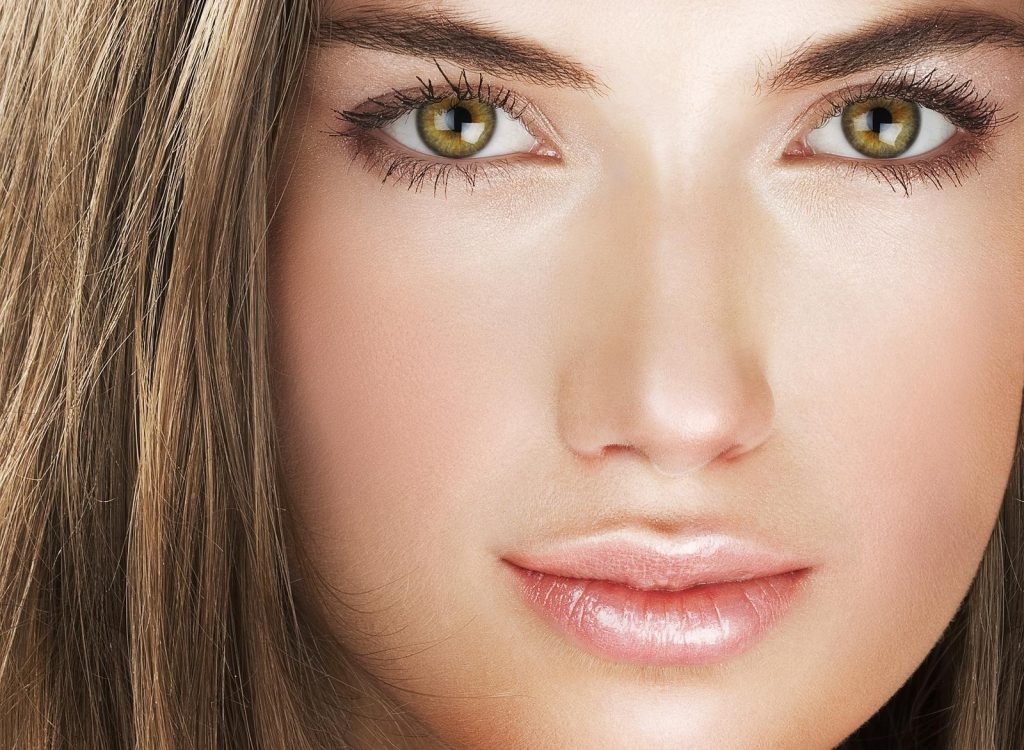
The intensity of your contour and highlight should match the occasion.
- Subtle & Natural (For Daytime/Everyday):
- Contour: Choose a shade only 1-2 shades darker than your skin tone with a neutral or cool undertone (warm, orange shades look like bronzer, not shadow). Apply with a very light hand, focusing just on the hollows of the cheeks and lightly along the jawline.
- Highlight: Choose a shade 1-2 shades lighter than your skin with a satin or subtle sheen—no large chunks of glitter. Focus on the high points of the cheekbones and the inner corners of the eyes.
- The Goal: A refreshed, defined look that is undetectable as makeup.
- Dramatic & Defined (For Evening/Photography):
- Contour: You can go 2-3 shades darker. The application can be more pronounced, with stronger definition along the cheekbones, nose, and jawline.
- Highlight: Use a more intense highlighter with visible shimmer or a metallic finish. Don’t be afraid to amp up the glow on the cheekbones, brow bone, and cupid’s bow.
- The Goal: A chiseled, glamorous effect that is meant to be seen and photographed.
The Magic is in the Mix: Essential Blending Techniques
Blending is the single most important step. Harsh lines are the enemy of natural contouring.
- The Right Tools:
- For Creams: A dense, damp beauty sponge is your best friend. The stippling and bouncing motion seamlessly presses the product into the skin without streaking. A dense, synthetic stippling brush can also work well.
- For Powders: Use soft, fluffy brushes with a tapered end. A fluffy angled brush is perfect for contour, while a small fan brush or tapered highlight brush is ideal for precision highlighting.
- The Blending Motion:
- Never Drag or Wipe: This will remove the product and create streaks.
- For Creams: Use a bouncing or stippling motion with your sponge or brush. Gently press and bounce the tool over the edges of your contour and highlight until you can no longer see where they begin or end.
- For Powders: Use small, circular motions or gentle back-and-forth sweeping motions to diffuse the edges into the skin.
- The Final Check: Always check your blending in natural light. Step back from the mirror and ensure there are no visible lines. Your contour should look like a natural shadow, not a stripe of brown.
Conclusion: Your Sculpted, Confident Self
Mastering highlight and contour is a journey of practice and self-discovery. It’s about learning the unique landscape of your face and using the principles of light and shadow to enhance it, not mask it. By starting with a personalized face map, choosing user-friendly products, deciding on your desired intensity, and dedicating time to perfect your blend, you can move beyond the intimidation. This skill empowers you to subtly refine your features for a boardroom meeting or build dramatic dimension for a special event, all with the confidence that comes from a technique that looks flawlessly natural and uniquely you.