



























Makeup brushes are more than just tools—they are essential extensions of your technique, capable of transforming your application from basic to professional-level. However, choosing the right brushes, using them effectively, and maintaining them properly can be confusing for beginners and even seasoned makeup enthusiasts. In this article, we’ll guide you through selecting essential brushes, discovering multi-use hacks, establishing a cleaning routine, and knowing when it’s time to replace them. Mastering these aspects will not only enhance your makeup application but also improve hygiene and prolong the life of your tools.
Understanding the Importance of Makeup Brushes
Using your fingers for makeup can work in a pinch, but brushes provide precision, control, and even coverage. They help blend products seamlessly, minimize waste, and enhance the longevity of your makeup. Additionally, brushes designed for specific purposes—like foundation, eyeshadow, or blush—ensure a more polished, professional finish.
Investing in good-quality brushes and learning their correct usage is a small step that makes a significant difference in your makeup results.
Essential Brushes: Building Your Core Collection
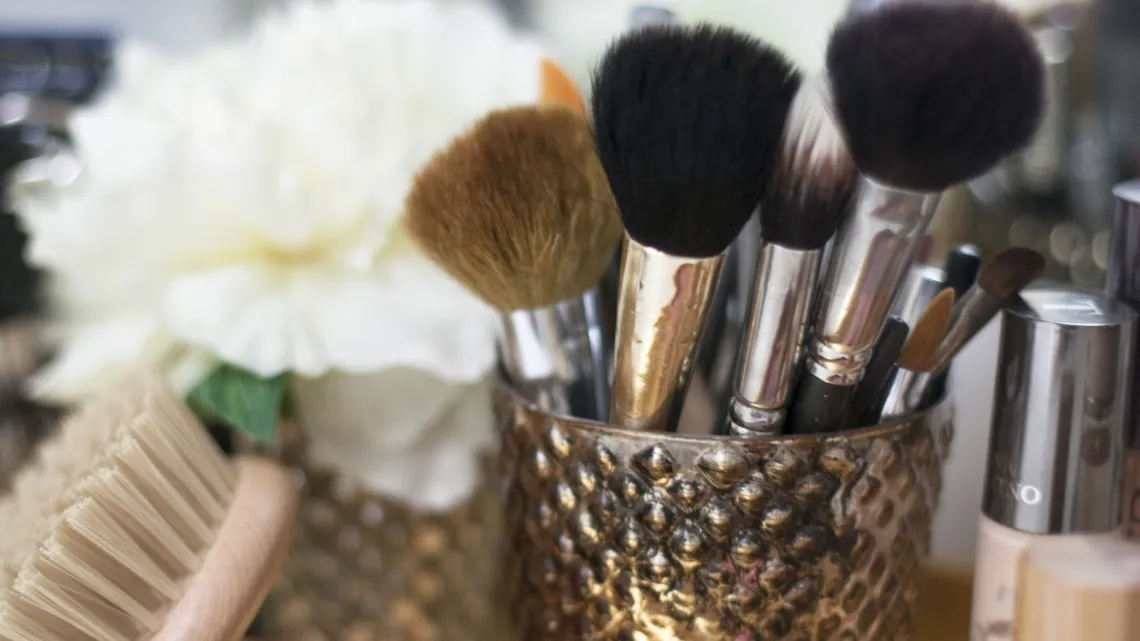
A well-rounded brush collection doesn’t need to be overwhelming. Here are the core brushes that every makeup kit should include:
- Foundation Brush
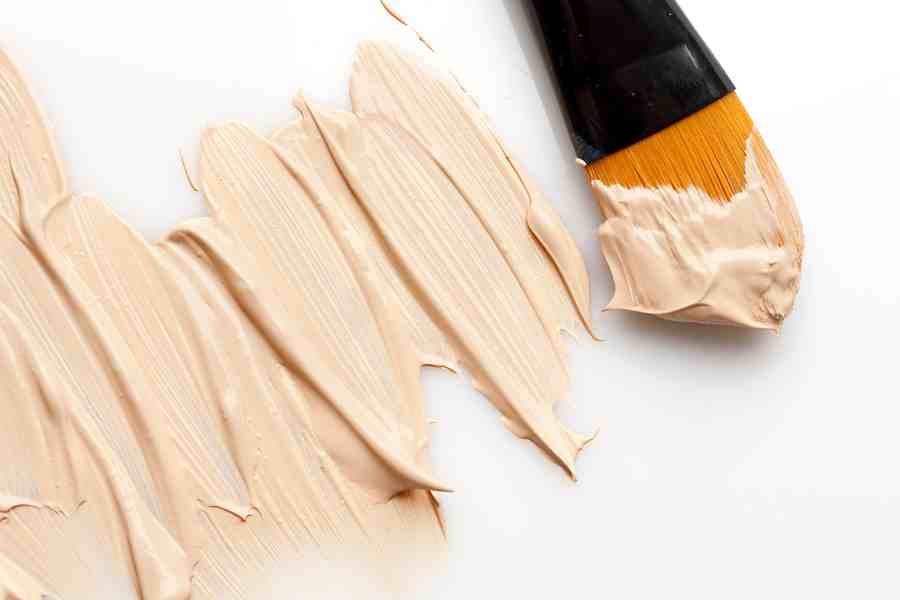
- Flat or slightly rounded synthetic brushes are ideal for liquid and cream foundations.
- Helps create a smooth, even base without streaks.
- Alternatively, a dense buffing brush works for building coverage gradually.
- Concealer Brush
- Small, tapered brushes allow precision under the eyes and on blemishes.
- Flat concealer brushes are ideal for covering dark circles or spots without excess product.
- Powder Brush
- Large, fluffy brushes distribute powder evenly and prevent caking.
- Perfect for setting foundation with loose or pressed powders.
- Blush Brush
- Medium-sized, slightly tapered brushes allow controlled application on the apples of the cheeks.
- Angled blush brushes help define cheekbones while applying color naturally.
- Contour/Highlight Brush
- Angled contour brushes provide precise placement for shading and lifting facial features.
- Small fan brushes are excellent for highlighting high points without overdoing it.
- Eyeshadow Brushes
- Flat shader brushes: deposit color on the eyelid efficiently.
- Blending brushes: diffuse harsh lines and create smooth transitions.
- Small pencil brushes: detail work in the inner corner or lower lash line.
- Eyeliner and Brow Brushes
- Angled brushes: perfect for gel or powder eyeliner and brow definition.
- Fine liner brushes: create precise, sharp lines on the upper or lower lash line.
- Lip Brush
- Provides precise lip color application and helps prevent feathering.
Multi-Use Hacks: Maximizing Your Brush Collection
You don’t always need a separate brush for every single product. Many brushes are versatile if used creatively:
- Blending Brush for Multiple Areas
A fluffy eyeshadow blending brush can double as a contour softener for cheekbones or jawline. - Flat Shader Brush for Concealer
Use a flat eyeshadow brush to apply concealer on small blemishes or under the eyes for precise coverage. - Angled Brush for Eyes and Brows
This brush can apply brow powder, eyeliner, or even fill in lips with precision. - Fan Brush for Highlighting and Cleaning
A small fan brush is excellent for highlighting the cheekbones and sweeping away excess powder from under the eyes. - Foundation Brush as a Blush Tool
Dense foundation brushes can be used to apply cream blushes for a seamless, airbrushed effect. - Experimenting with Shapes
Many brushes can serve double duty when techniques are adapted. For example, a pencil brush can smudge eyeshadow or eyeliner for a smoky effect.
Cleaning Routine: Keeping Brushes Hygienic and Long-Lasting
Regular cleaning is crucial to maintain brush performance, prevent bacteria buildup, and avoid skin issues like breakouts. Here’s how to clean brushes properly:
- Frequency
- Brushes used for liquid or cream products should be cleaned weekly.
- Brushes for powders can be cleaned every two weeks.
- Daily quick cleaning with a brush sanitizer or spray is recommended for eyeshadow brushes.
- Cleaning Method
- Use lukewarm water to wet bristles.
- Apply a gentle cleanser or brush shampoo. Baby shampoo or mild soap works well.
- Lather gently, focusing on removing all pigment and product buildup.
- Rinse thoroughly until water runs clear.
- Drying
- Pat brushes gently with a clean towel to remove excess water.
- Reshape bristles and lay brushes flat or slightly angled downward to air dry. Avoid standing them upright, as water can seep into the ferrule and loosen glue.
- Sanitizing
- For quick touch-ups, use alcohol-based brush sprays to kill bacteria between washes.
Replacement Tips: Knowing When to Let Go
Even with proper care, brushes don’t last forever. Signs that it’s time to replace a brush include:
- Shed Bristles
Frequent shedding reduces application control and indicates the brush is worn out. - Frayed Shape
Brushes lose their original shape over time. If blending or precision suffers, it’s time to replace. - Persistent Odor or Stains
Some brushes retain product residue or odors despite thorough cleaning. This can affect makeup performance and hygiene. - Loose Ferrules
If the metal ferrule holding the bristles becomes loose, bristles may fall out, and the brush becomes unsafe to use.
Additional Tips for Optimal Brush Use
- Store Properly: Keep brushes upright in a holder or in a brush roll to maintain shape and prevent damage.
- Use Clean Hands: Always handle brushes with clean hands to reduce transfer of oils and bacteria.
- Avoid Excessive Pressure: Gentle strokes prevent bristles from fraying and maintain brush integrity.
- Invest Wisely: Quality brushes are worth the investment as they perform better, last longer, and are gentler on the skin.
Final Thoughts
Mastering makeup brushes is essential for flawless makeup application. Understanding which brushes are essential, discovering multi-use hacks, maintaining a proper cleaning routine, and recognizing when to replace them ensures that your tools enhance your makeup rather than hinder it. With the right techniques and care, brushes become powerful allies in achieving professional-looking results, improving hygiene, and extending the life of your products. Whether you are a beginner or a seasoned makeup enthusiast, dedicating time to learn about brush selection, usage, and maintenance transforms your routine and elevates your entire makeup experience.