



























Sensitive skin requires a careful, thoughtful approach to skincare. Overloading with too many products or using harsh ingredients can lead to redness, irritation, dryness, or even breakouts. The goal for sensitive skin is to maintain a healthy barrier, provide hydration, and address concerns without triggering reactions. A minimalist approach focuses on gentle, effective ingredients, avoiding common irritants, and simplifying routines to achieve optimal results. This guide explores key gentle ingredients, irritant avoidance, routine simplicity, and patch-testing strategies to help sensitive skin thrive.
Understanding Sensitive Skin
Sensitive skin is characterized by heightened reactivity to external stimuli and certain products. Common signs include:
- Redness or blotchiness
- Itching, stinging, or burning sensations
- Tightness or dryness
- Flare-ups from new skincare products
Factors contributing to sensitivity include genetics, environmental exposure, compromised skin barrier, allergies, and overuse of active ingredients. Understanding these factors helps guide product selection and routine structure.
Key Gentle Ingredients for Sensitive Skin
Choosing the right ingredients is essential for maintaining skin health and preventing irritation.
- Hydrators and Moisturizers
- Hyaluronic Acid: Attracts and retains moisture without clogging pores, providing gentle hydration.
- Glycerin: Supports the skin barrier and locks in moisture.
- Squalane: Lightweight oil that soothes and protects the skin without causing breakouts.
- Soothing Agents
- Aloe Vera: Reduces inflammation and provides calming hydration.
- Chamomile Extract: Soothes irritation and redness.
- Centella Asiatica (Cica): Supports healing and strengthens the skin barrier.
- Barrier-Repairing Ingredients
- Ceramides: Help restore the skin’s natural lipid barrier, preventing moisture loss and sensitivity.
- Niacinamide: Improves barrier function, reduces redness, and is generally well-tolerated.
- Mild Exfoliants
- Avoid harsh chemical or physical scrubs.
- PHA (Polyhydroxy Acids): Gentle exfoliation suitable for sensitive skin.
- Lactic Acid (low concentration): Mild exfoliant that supports skin renewal without irritation.
- Sun Protection
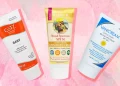
- Mineral sunscreens with zinc oxide or titanium dioxide are less irritating than chemical sunscreens.
- Look for fragrance-free, hypoallergenic formulations.
Avoiding Irritants
Minimizing exposure to potential irritants is critical for sensitive skin:
- Fragrances and Essential Oils
- Can cause redness, itching, or allergic reactions.
- Opt for fragrance-free products labeled hypoallergenic.
- Alcohols and Harsh Preservatives
- Denatured alcohol and certain preservatives (like parabens or formaldehyde releasers) may exacerbate dryness and sensitivity.
- Seek formulas with gentle, stabilizing preservatives.
- Strong Actives in High Concentrations
- Avoid high-strength retinoids, AHAs, BHAs, or vitamin C serums initially.
- Introduce potent actives gradually and in low concentrations to assess tolerance.
- Physical Abrasives
- Scrubs with large grains can damage the delicate barrier.
- Use soft washcloths or gentle exfoliating pads instead.

Routine Simplicity: Less is More
A minimalist routine reduces the risk of irritation while maintaining skin health.
Morning Routine:
- Gentle Cleanser: Fragrance-free, non-foaming cleanser to remove impurities without stripping oils.
- Hydrating Toner or Essence (Optional): Provides light moisture and prepares the skin for serums or moisturizer.
- Moisturizer: Lightweight but effective, focusing on hydration and barrier support.
- Sunscreen: Essential to protect against UV damage, preferably mineral-based and non-irritating.
Evening Routine:
- Gentle Cleanser: Remove sunscreen, pollutants, and light makeup.
- Hydrating Serum or Treatment: Optional, with soothing or barrier-repairing ingredients like niacinamide or hyaluronic acid.
- Moisturizer: Slightly richer texture if needed to lock in moisture overnight.
Tips for Simplicity:
- Limit the number of products to avoid layering too many actives.
- Focus on hydration, barrier support, and sun protection as primary goals.
- Adjust frequency of exfoliation based on skin tolerance, 1–2 times per week for sensitive skin.
Patch-Testing: Preventing Reactions
Patch-testing is a crucial step before introducing new products:
- How to Patch-Test
- Apply a small amount of the product to the inner arm, behind the ear, or along the jawline.
- Observe the area for 24–48 hours for signs of redness, swelling, or irritation.
- Benefits of Patch-Testing
- Reduces the risk of full-face reactions.
- Helps identify products or ingredients that are incompatible with your skin.
- Builds confidence in new product introduction.
- Introducing New Products Gradually
- Add one new product at a time to the routine.
- Monitor skin response for several days before adding another.
Additional Tips for Sensitive Skin Care
- Avoid Over-Cleansing: Too-frequent cleansing can strip oils and compromise the barrier.
- Use Lukewarm Water: Hot water increases irritation and dryness.
- Pat Dry Gently: Avoid rubbing the skin with towels.
- Layer Hydration: Lightweight serum followed by moisturizer maximizes moisture retention.
- Adjust for Seasonal Changes: Skin may require richer moisturizers in winter and lighter formulas in summer.
Final Thoughts
Sensitive skin thrives on simplicity, gentle ingredients, and consistent care. By choosing hydrating and soothing ingredients, avoiding common irritants, keeping routines minimal, and patch-testing new products, you can maintain healthy, resilient skin without stress. Less is more when it comes to sensitive skin, and a focused approach that prioritizes barrier health, hydration, and protection is the most effective way to achieve calm, glowing, and balanced skin.