




Introduction
A healthy scalp is the foundation for having beautiful hair. The condition of the scalp directly affects hair growth and health. Neglecting scalp care often leads to a series of hair problems, such as dandruff, excessive oil, hair loss, etc. This article will delve into the importance of scalp care, provide daily maintenance knowledge, showcase pictures and production methods of various popular hairstyles, as well as introduce and pay attention to hair dyeing, perming and other hairdressing techniques, helping users choose the appropriate hairstyle according to their preferences and face shape, and enhance their overall image.
The Importance of Scalp Care
The scalp is the soil where hair grows, and its health directly affects the quality of hair. Here are some important and common questions about scalp care:
- Promote blood circulation :
Improving nutrition supply: Good blood circulation can ensure that the scalp and hair receive sufficient nutrition, promoting hair growth.
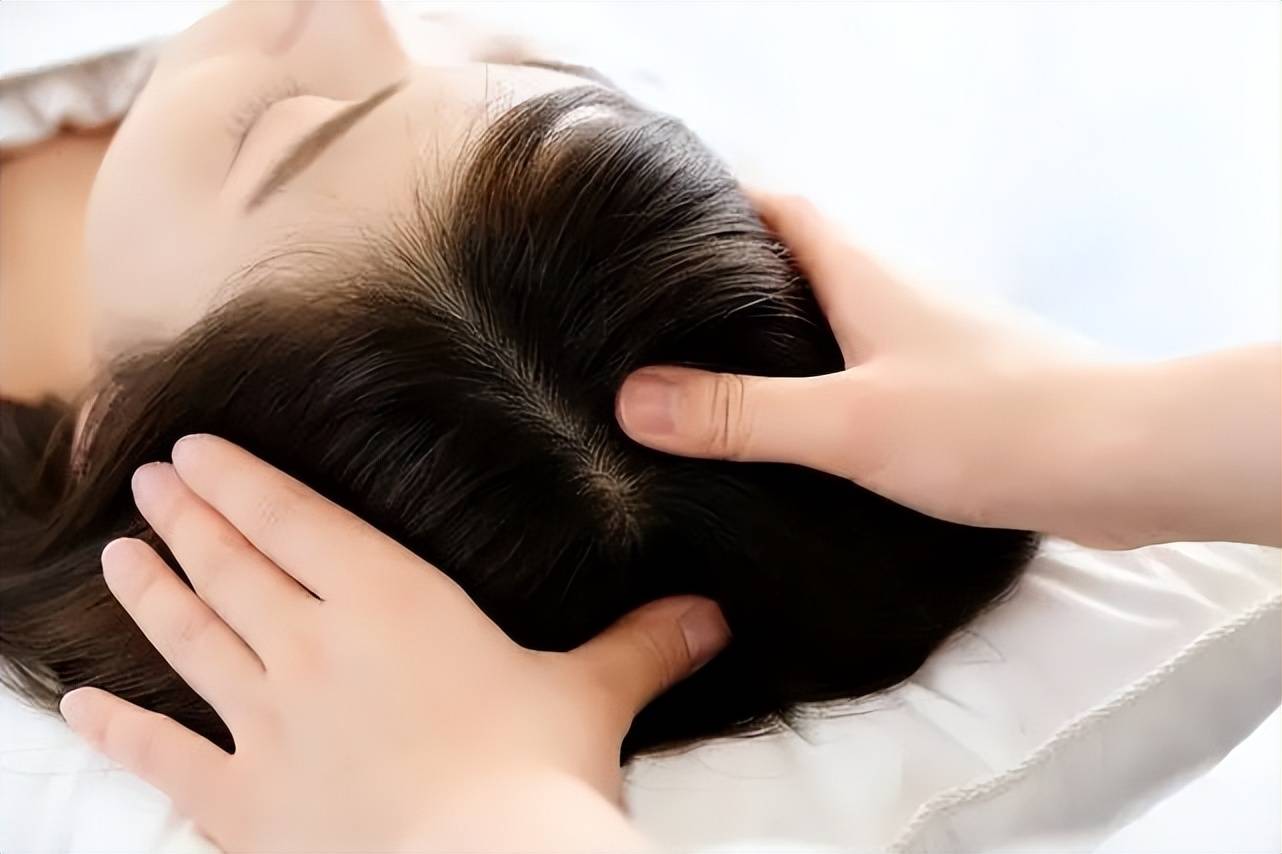
Relieve tension: Scalp massage can relieve tension and stress, and relax the head muscles. - Regulating oil secretion :
Oily scalp: Excessive oil secretion can lead to dandruff and odor, requiring regular cleaning and oil control.
Dry scalp: Lack of oil can cause dry and itchy scalp, requiring hydration and nourishment. - Preventing scalp diseases :
Dandruff: Dandruff is a common scalp problem, usually caused by fungal infections or dry skin.
Seborrheic dermatitis: Seborrheic dermatitis can cause redness, itching, and flaking of the scalp.
Hair loss: Scalp health issues may lead to hair loss, affecting the density and quality of hair. - Enhance hair elasticity :
Strong hair roots : A healthy scalp can provide a good growth environment and enhance the stability of hair roots.
Reduce breakage : Healthy hair is more elastic and less prone to breakage and splitting.
Daily maintenance knowledge of scalp care
- Choose the appropriate shampoo :
Oily scalp: Choose an oil controlling shampoo, such as one containing salicylic acid or tea tree oil.
Dry scalp: Choose a moisturizing shampoo, such as one containing glycerin or vegetable oil.
Sensitive scalp: Choose a mild shampoo to avoid containing irritating ingredients. - Correct hair washing method :
Rinse with warm water: Thoroughly moisten hair and scalp with warm water to help open pores.
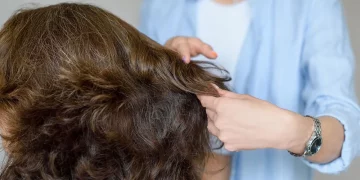
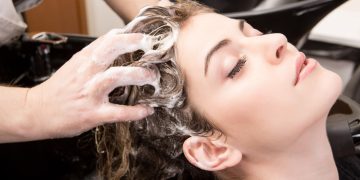
Massage the scalp: Take an appropriate amount of shampoo and gently massage the scalp with fingertips to promote blood circulation, remove dirt and excess oil.
Thoroughly Rinse: Rinse hair thoroughly with warm water to ensure there is no residual shampoo. - Regular use of scalp care products :
Dandruff removing shampoo : For dandruff problems, you can choose a dandruff removing shampoo containing zinc pyrrolidone or selenium sulfide.
Nourishing scalp essence : use scalp essence containing vitamin E and biotin to nourish scalp and improve scalp environment.
Deep cleaning facial mask : Use a deep cleaning facial mask once a week to remove dirt and grease from the deep scalp. - Keep the scalp clean :
Regular shampoo : Choose the appropriate shampoo frequency based on scalp condition and personal habits, usually 23 times a week.
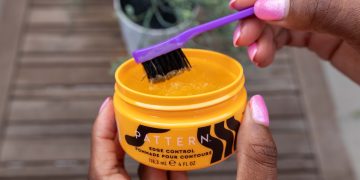
Avoid excessive use of hair gel : Hair gel and styling products can easily clog pores, affecting scalp health, and should be used in moderation. - Healthy lifestyle :
Balanced diet: consume foods rich in protein, vitamins, and minerals, such as meat, fish, vegetables, and fruits.
Adequate sleep: Ensure sufficient sleep to promote the repair of the body and scalp.
Moderate exercise: Moderate exercise can promote blood circulation and improve scalp health.
Stress Reduction : Long term stress can affect the body’s endocrine balance, leading to scalp problems. It is important to learn how to reduce stress appropriately.
Display and production methods of popular hairstyles
- Long hair popular hairstyle
Picture display
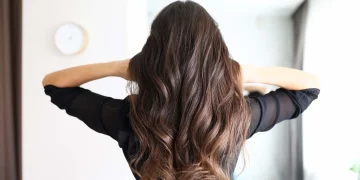
Wave curly hair: romantic and elegant, suitable for various occasions.
Low ponytail: simple and elegant, suitable for office workers.
Hair editing : Creative and suitable for leisure or vacation.
Production method
Wave curly hair:
- Use a curling iron to roll up from the roots of the hair, hold for a few seconds, and then release.
- Gently spread the curly hair with your fingers to increase its natural feel.
- Spray the styling spray to fix the hairstyle. Low ponytail :
- Comb your hair neatly and tie a low ponytail from top to bottom.
- Use a rubber band to fix it, and wrap a strand of hair around the rubber band to hide it.
- Use hair gel to fix the hair ends and keep them clean. Compilation and distribution :
- Divide your hair into three strands and start braiding it.
- Encode to the end of the hair and secure with rubber bands.
- Braids can be coiled up and secured with hair clips to increase layering.
- Short hair trendy hairstyle
Picture display
Short bob hair : Classic and fashionable, suitable for various face shapes.
Short hair bun head : playful and cute, suitable for young women.
Short haircut : Handsome and neat, suitable for both men and women.
Production method
Short bob :
- Use a curling iron or curling iron to curl hair into a natural wavy shape.
- Gently spread the curly hair with your fingers to increase its layering.
- Spray the styling spray to fix the hairstyle. Short hair bun head :
- Comb your hair straight and make a small bun starting from the top of your head.
- Use a rubber band to fix it, and wrap a strand of hair around the rubber band to hide it.
- Use hair gel to fix the hair ends and keep them clean. Short haircut :
- Use scissors and an electric pusher to cut the hair on both sides short and leave the top longer.
- Use hair wax or hair clay to shape the top hairstyle, increasing its threedimensional effect.
- Spray the styling spray to fix the hairstyle.
- Popular hairstyles for medium to long hair
Picture display
Medium to long hair lob : Simple and elegant, suitable for various face shapes.
Medium to long semi tied hair : Easy and casual, suitable for casual occasions.
Mid to long hair side split: mature and elegant, suitable for formal occasions.
Production method
Medium to long hair lob :
- Use a curling iron or curling iron to curl hair into a natural wavy shape.
- Gently spread the curly hair with your fingers to increase its layering.
- Spray the styling spray to fix the hairstyle. Medium to long hair with half tied hair :
- Comb your hair neatly and tie it in a half bun starting from the top of your head.
- Use a rubber band to fix it, and wrap a strand of hair around the rubber band to hide it.
- Use hair gel to fix the hair ends and keep them clean. Side split of medium to long hair :
- Side split your hair and comb it neatly with a comb.
- Use styling spray to fix the hairstyle.
- You can use curling irons or straightening clips to shape the curvature of the hair ends and increase the sense of layering.
Hair dyeing and perming techniques
- Hair dyeing techniques
Choose hair dye
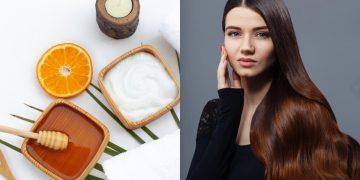
Natural hair dye: such as plantbased hair dye, has minimal irritation to the scalp and is suitable for sensitive skin.
Chemical hair dye: Rich in color, longlasting effect, but may be irritating to the scalp.
Hair dyeing steps
- Preparation Stage :
Allergy Test : 24 hours before dyeing hair, conduct an allergy test behind the ear or on the inside of the wrist.
Choose Color : Choose the appropriate hair dye color based on skin tone and hair color. - Hair dyeing stage:
Wear gloves: Wear disposable gloves to prevent dye from getting on your hands.
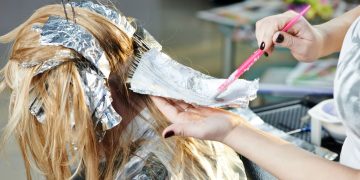
Apply dye evenly to the hair, from the roots to the tips.
Waiting time : According to the hair dye instructions, wait for the specified time. - Cleaning stage :
Thoroughly Rinse: Rinse hair thoroughly with warm water until the water becomes clear.
Use specialized shampoo and conditioner : After dyeing hair, use shampoo and conditioner designed specifically for dyeing hair to protect the color. - Perm techniques
Choose perm agent
Cold perm agent : Suitable for fine and soft hair, the perm effect is natural.
Hot perm agent : Suitable for coarse and hard hair, with longlasting effects after perm.
Steps for perming hair
- Preparation Stage :
Allergy Test : 24 hours before perming, conduct an allergy test behind the ear or on the inside of the wrist.
Choose the appropriate curl based on personal preferences and hair quality. - Perm stage :
Wear gloves : Wear disposable gloves to avoid getting the perm agent on your hands.
Apply perm agent : Apply the perm agent evenly to the hair and secure it with a curling iron or curling iron.
Waiting time : According to the hair perm agent manual, wait for the specified time. - Cleaning stage :
Thoroughly Rinse: Rinse hair thoroughly with warm water until the water becomes clear.
Use specialized shampoo and conditioner : After perming, use shampoo and conditioner designed specifically for perming to protect your hair.
Precautions
- Avoid frequent dyeing and perming: Frequent dyeing and perming can damage hair, leading to dryness and breakage.
- Regular Trimming : Trim the ends of your hair every 68 weeks to remove split ends and maintain healthy hair.
- Use hair care products : Regularly use hair masks or deep care products to nourish hair and repair damage.
- Protect hair from UV damage : Wear a hat or use sunscreen spray when going out to protect hair from UV damage.
- Avoid hightemperature tools : When using a hair dryer, curling iron, or straightener, select the lowtemperature setting to avoid damage to hair caused by high temperatures.
Conclusion
A healthy scalp is the foundation for having beautiful hair. Through scientific scalp care, we can prevent and solve various scalp problems, improve hair quality and health. At the same time, choosing the appropriate hairstyle and hairdressing techniques can not only increase confidence, but also showcase personality and charm. I hope this article can help readers master the methods of scalp care, choose a hairstyle that suits them, and enjoy healthy and beautiful hair.