






















Thick, coarse hair is full of personality, but it can be challenging to maintain if not cared for properly. While this hair type offers plenty of volume and texture, it is also more prone to dryness, frizz, and tangling. A tailored haircare routine is key to keeping thick, coarse hair soft, smooth, and healthy. With the right products and techniques, you can tame the volume, enhance shine, and make your hair more manageable.
In this guide, we’ll walk you through a comprehensive haircare routine designed specifically for thick, coarse hair. From nourishing treatments to the best styling techniques, you’ll learn how to take care of your hair’s unique needs.
1. Start with a Moisturizing Shampoo
The foundation of any haircare routine begins with a good shampoo. Thick, coarse hair can easily become dry, so it’s important to choose a moisturizing shampoo that helps hydrate and nourish your strands while gently cleansing your scalp.
Key Ingredients:
- Shea Butter: Known for its deeply moisturizing properties, shea butter helps soften thick hair and add shine.
- Coconut Oil: Rich in fatty acids, coconut oil can penetrate the hair shaft to hydrate and restore moisture.
- Argan Oil: Argan oil helps smooth and soften coarse hair while adding a healthy shine.
How to Use:
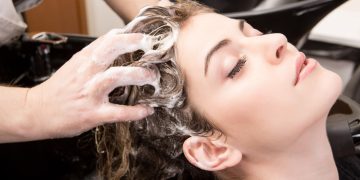
Apply shampoo to damp hair, focusing on the scalp, and gently massage to remove any dirt and oils. Rinse thoroughly and repeat if needed, but avoid over-washing as it can strip hair of its natural oils.
2. Deep Condition Regularly
Deep conditioning is essential for thick, coarse hair. A good deep conditioner helps replenish moisture, soften the hair, and prevent breakage. You should deep condition once a week to maintain the health and strength of your strands.
How to Choose the Right Deep Conditioner:
Look for deep conditioners that contain nourishing oils like olive oil, avocado oil, and jojoba oil. These ingredients penetrate the hair shaft to provide deep hydration and repair.
How to Apply:
After shampooing, apply a generous amount of deep conditioner to damp hair. Focus on the mid-lengths and ends, where coarse hair tends to be drier. Leave the product in for 10-15 minutes, then rinse thoroughly. For added benefit, you can wrap your hair in a warm towel to help the conditioner penetrate more deeply.
3. Use Leave-In Conditioners for Extra Moisture
A leave-in conditioner is perfect for providing your hair with an additional layer of moisture, helping to detangle and smooth thick, coarse hair throughout the day.
Key Benefits:
- Detangles: Coarse hair often tangles easily. A leave-in conditioner can help reduce knots and make your hair more manageable.
- Adds Softness: It softens the hair and helps to control frizz by locking in moisture.
How to Apply:
After towel-drying your hair, apply a generous amount of leave-in conditioner, focusing on the ends and any areas that tend to be drier. Gently comb through your hair to evenly distribute the product.
4. Hydrating Hair Masks for Intense Care
For thick, coarse hair, hydration is key to maintaining softness and shine. Hair masks are more concentrated than deep conditioners and provide intense moisture, helping to revitalize dry, coarse strands.
How Often to Use:
Use a hydrating hair mask once every two weeks or as needed, depending on the dryness of your hair.
Ingredients to Look For:
- Honey: A natural humectant that attracts moisture to the hair.
- Olive Oil: A rich oil that helps to deeply nourish and soften coarse hair.
- Keratin: Keratin treatments help to repair damaged hair and smooth the cuticle.
How to Apply:
Apply the mask to clean, damp hair, focusing on the mid-lengths to the ends. Cover your hair with a shower cap or towel and let it sit for 20-30 minutes before rinsing. For extra nourishment, you can leave the mask in overnight.
5. Protect Against Heat Damage
Heat styling tools like flat irons, curling irons, and blow dryers can cause damage to thick, coarse hair if not used correctly. To protect your hair from heat damage, always apply a heat protectant spray or serum before using any styling tools.
Why It’s Important:
A heat protectant creates a barrier between your hair and high temperatures, preventing moisture loss and maintaining the integrity of the hair shaft.
How to Apply:
Spray or apply a heat protectant evenly throughout your damp hair before styling. Make sure to focus on the ends, where heat damage tends to be most noticeable.

6. Blow Drying Techniques for Thick, Coarse Hair
Blow-drying thick, coarse hair can often result in frizz, but with the right technique and tools, you can achieve smooth, voluminous hair.
Tools to Use:
- Blow Dryer with a Diffuser: A diffuser attachment helps distribute heat evenly and enhances volume, especially for thick hair.
- Round Brush: A large round brush is ideal for creating smoothness and shaping as you dry.
- Ionic Blow Dryer: An ionic blow dryer helps reduce frizz by emitting negative ions that break down water molecules quickly, which reduces drying time and frizz.
How to Blow Dry:
Start by sectioning your hair into manageable parts. Dry each section using a round brush to pull hair taut and create smoothness. Use a low heat setting to avoid damage, and finish by applying a cold shot of air to seal the hair cuticle and lock in shine.
7. Use the Right Styling Products
Styling products for thick, coarse hair should provide hold, shine, and frizz control without weighing the hair down. Look for products specifically designed for your hair texture and concerns.
Recommended Products:
- Mousse: A lightweight mousse can add volume and body to thick hair without making it greasy or heavy.
- Hair Creams and Serums: Use a smoothing cream or serum to add shine, control frizz, and make the hair feel soft.
- Hair Oil: A nourishing hair oil can add a healthy shine and control any flyaways.
How to Apply:
Use a small amount of styling product and distribute it evenly throughout your hair, focusing on the ends. Avoid over-applying, as it can make your hair feel weighed down.
8. Regular Trims to Maintain Health and Shape
Thick, coarse hair can become unruly and prone to split ends if left unchecked. Regular trims are essential to keep your hair healthy and in shape.
How Often to Trim:
Aim to get a trim every 6-8 weeks, or whenever you notice split ends or your hair is losing its shape.
Why It’s Important:
Regular trims remove damaged ends and prevent split ends from traveling up the hair shaft, which can cause further damage. Keeping your hair shaped will also make it easier to manage.
9. Protect Your Hair While Sleeping
At night, your hair can rub against your pillow, leading to friction and breakage. Protect your hair while sleeping to keep it soft and healthy.
Tips for Overnight Protection:
- Silk or Satin Pillowcases: These materials are much gentler on hair than cotton, reducing friction and frizz.
- Loose Braids or Pineapple: For curly or wavy thick hair, loosely braid or gather your hair into a “pineapple” to prevent tangles and keep your hair’s shape intact.
- Hair Wraps: A silk or satin hair wrap can protect your hair from frizz and breakage.
10. Maintain a Healthy Diet for Healthy Hair
Your hair health starts from within. To maintain thick, healthy, and beautiful hair, ensure you are nourishing your body with the right nutrients.
Essential Nutrients:
- Omega-3 Fatty Acids: Found in foods like salmon, flaxseeds, and walnuts, omega-3s help nourish the scalp and promote healthy hair growth.
- Biotin: Biotin supports healthy hair growth and is found in foods like eggs, nuts, and sweet potatoes.
- Vitamin E: Known for its antioxidant properties, vitamin E helps repair hair and prevent dryness.
Conclusion
Thick, coarse hair requires extra attention and the right haircare routine to maintain its beauty and health. By incorporating moisturizing shampoos, deep conditioners, and hydrating hair masks, you can keep your strands soft, shiny, and manageable. Additionally, using heat protectants, blow-drying carefully, and regularly trimming your hair will help preserve its health and shape. With the right routine, your thick, coarse hair can look and feel its best, full of shine, bounce, and vitality.