


























Frizzy hair can be one of the most frustrating issues to deal with, especially when humidity levels rise. Whether it’s the damp air of summer or the unpredictable changes in weather, humidity can cause havoc on your hair, making it puff up and lose its sleekness. The good news is that with the right techniques and products, you can fight frizz and keep your hair looking smooth and shiny even in the most humid conditions. This guide will walk you through effective tips and methods to help you combat frizz and keep your hair under control when the weather gets humid.
Why Does Humidity Cause Frizz?
To understand how to prevent frizz, it’s important to first understand why it happens. Frizz occurs when the cuticle (the outer layer of the hair strand) opens up and absorbs moisture from the surrounding environment. In humid conditions, the moisture in the air causes the hair to swell, leading to the appearance of frizz. The cuticle is usually raised when the hair is damaged or when it lacks moisture, making it more susceptible to absorbing humidity. This is particularly a problem for people with curly, wavy, or coarse hair types, but it can affect all hair types to varying degrees.
Tips for Combatting Frizz in Humid Weather
1. Start with a Moisturizing Shampoo and Conditioner
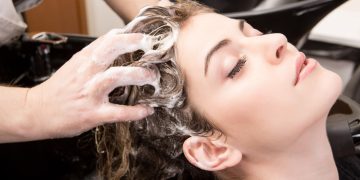
Keeping your hair well-moisturized is key to preventing frizz, as dry hair is more prone to absorbing moisture from the air. Look for a sulfate-free shampoo that gently cleanses without stripping your hair of its natural oils. Follow up with a moisturizing conditioner that can hydrate and smooth the cuticle, helping to create a barrier against humidity.
- Tip: Look for conditioners with ingredients like shea butter, argan oil, or glycerin, which are known for their moisturizing properties. These can help seal in moisture and prevent frizz from forming.
2. Use a Leave-In Conditioner or Frizz-Reducing Serum
After washing your hair, apply a leave-in conditioner or a frizz-reducing serum to help smooth the hair cuticle and lock in moisture. Leave-in conditioners not only hydrate but also provide a protective layer against the moisture in the air. Frizz-reducing serums, on the other hand, are typically silicone-based and create a sleek, glossy finish by coating the hair shaft.
- Tip: Apply the product while your hair is still damp to help distribute it evenly. Focus on the ends of your hair, which tend to be the driest and most prone to frizz.
3. Avoid Over-Washing Your Hair
Washing your hair too frequently can strip it of its natural oils, leaving it dry and more susceptible to frizz. Aim to wash your hair only 2-3 times a week, depending on your hair type and personal preferences. This will help retain the natural moisture balance of your scalp and strands, keeping your hair smooth and manageable.
- Tip: If you need to refresh your hair between washes, use a dry shampoo to absorb excess oil without adding moisture, which can encourage frizz.
4. Use an Anti-Humidity Hair Spray
Anti-humidity hair sprays are designed to create a barrier that helps protect your hair from the effects of moisture in the air. These sprays typically contain polymers that coat the hair and prevent humidity from penetrating the strands. Use them on dry hair after styling for long-lasting smoothness and frizz control.
- Tip: When using anti-humidity hair spray, make sure to hold the can about 6-8 inches from your hair and spray evenly to avoid any build-up. This will ensure your hair stays soft and flexible, not crunchy.
5. Opt for a Wide-Tooth Comb or Finger Comb
Wet hair is more vulnerable to breakage, especially when it’s frizzy or tangled. Instead of using a fine-toothed comb or brush, use a wide-tooth comb or your fingers to gently detangle your hair after washing. This will help prevent damage and frizz, as well as maintain your hair’s natural texture.
- Tip: Always detangle your hair from the tips to the roots to minimize breakage and frizz. Starting at the roots can cause the hair to stretch and snap, contributing to frizz.
6. Try a Microfiber Towel or Cotton T-Shirt to Dry Hair
Regular bath towels can cause friction on your hair, leading to frizz and breakage. Instead, use a microfiber towel or an old cotton T-shirt to gently blot and squeeze excess water from your hair after washing. These materials are much gentler on the hair and help absorb moisture without disrupting the hair cuticle.
- Tip: Avoid rubbing your hair with the towel, as this can create frizz. Instead, gently press and squeeze to remove excess water.

7. Avoid Heat Styling Tools
Heat styling tools such as flat irons, curling irons, and blow dryers can contribute to frizz, especially in humid weather. High heat can dry out the hair, leaving it more prone to frizz and damage. If you need to style your hair, try air-drying it as much as possible or use heat styling tools on a low setting with a heat protectant spray.
- Tip: If you must use a blow dryer, opt for a diffuser attachment to minimize frizz. This will help distribute the heat more evenly and reduce the risk of damage.
8. Embrace Natural Styles
In humid weather, it’s often better to embrace your natural hair texture instead of fighting it with heat tools. If you have curly or wavy hair, try air-drying or using a diffuser to enhance your natural texture. Applying a curl cream or mousse can help define curls and keep them from becoming frizzy.
- Tip: To enhance your curls and prevent frizz, apply a curl cream while your hair is still damp. Scrunch the product into your hair and let it air-dry for a natural, frizz-free finish.
9. Get Regular Trims
Frizz is often more noticeable on split ends, so keeping your hair healthy and trimmed is essential. Regular trims every 6-8 weeks will help keep your hair in good shape, reduce split ends, and minimize frizz.
- Tip: Ask your stylist for a trim that eliminates any damaged or split ends but retains your hair’s natural shape to avoid making it look too flat or limp.
10. Sleep on a Silk or Satin Pillowcase
If you struggle with frizz after a night’s sleep, switching to a silk or satin pillowcase can help. These fabrics cause less friction than cotton, preventing your hair from becoming tangled or frizzy while you sleep. They also help retain moisture, keeping your hair hydrated and frizz-free.
- Tip: If you don’t want to switch your pillowcase, you can also try wrapping your hair in a silk scarf or bonnet to protect it overnight.
Additional Products to Help Combat Frizz
- Frizz-Control Mousse: Provides volume and smoothness to your hair without weighing it down.
- Hydrating Hair Masks: Use a deep conditioning hair mask once a week to replenish moisture and reduce frizz.
- Hair Oil: Lightweight oils like argan oil can add shine, reduce frizz, and seal the hair cuticle.
- Frizz-Reducing Shampoo and Conditioner: Look for products designed specifically for frizz-prone hair.
Conclusion
Humidity can wreak havoc on your hair, but with the right products and techniques, you can combat frizz and keep your hair looking smooth and shiny all day long. From using moisturizing shampoos and conditioners to incorporating anti-frizz serums and sprays, there are plenty of ways to protect your hair from the effects of damp weather. By following these tips and embracing your natural texture, you can enjoy frizz-free hair no matter the humidity level outside.